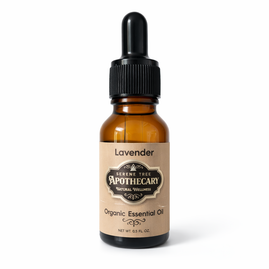
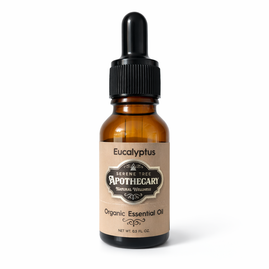
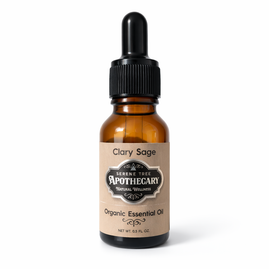
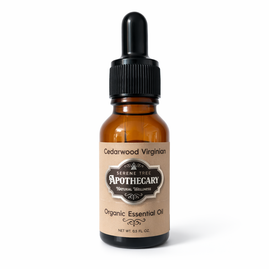
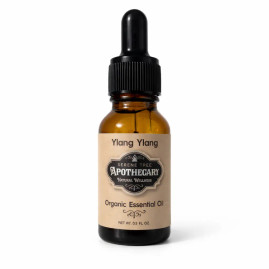
100% Pure · Bottled To Order
What Makes an Essential Oil Worth Buying
Not all essential oils are equal, and the difference has nothing to do with branding or big promises. It comes down to how the plant was grown, how the oil was extracted, and how openly the seller talks about both.
✓100% pure oilBotanical name on the label — not a "fragrance oil" or a pre-diluted blend.
✓A named extraction methodSteam distilled for most oils, cold pressed for citrus.
✓Dark glass bottlesAmber glass protects the oil from light.
✓A seller who tells you where it came fromWe buy in small quantities and bottle to order in Smithfield, Virginia.
Choose an Oil by Scent
All eight of our oils are above. If you're not sure which to start with, here they are grouped by how they smell and where they tend to get used.
Calming & Floral
Soft, sweet and easy to live with. Good for evenings, bedrooms and bath time.
Fresh & Citrus
Bright and lifting. These are the ones for kitchens, workspaces and a stuffy room.
Woody & Grounding
Dry, earthy base notes that settle a space rather than perfume it.
Warm & Herbal
Spiced and slightly sweet — the cold-weather end of the shelf.
Blends to Try
Everything below uses only the oils we carry. Drops are for a standard 100 ml diffuser.
Quiet evening3 drops lavender · 2 drops cedarwood
Clear and bright3 drops lemon · 2 drops eucalyptus
Grounded focus2 drops vetiver · 3 drops cedarwood
Something a little luxurious2 drops ylang ylang · 2 drops clary sage · 1 drop lemon
Cosy kitchen2 drops cinnamon bark · 3 drops lemon
How to Use Essential Oils
In a diffuser3–6 drops per 100 ml of water. Run it for 30–60 minutes in a room you can ventilate, rather than all day in a closed one.
On skin, always diluted2–3 drops per teaspoon of carrier oil such as jojoba, coconut or sweet almond — roughly a 2% dilution. Never apply undiluted oil to skin.
In the bathOil and water don't mix. Blend your drops into a tablespoon of carrier oil or unscented castile soap first, then add that to running water.
By inhalationA drop on a tissue or in cupped hands is the simplest way to enjoy a scent without putting anything on your skin.
Safety Notes Worth Reading
- Patch test first. Dilute, apply a small amount to your inner forearm and wait 24 hours.
- Citrus and sunlight. Lemon oil is cold pressed and can make skin more sensitive to sunlight. Avoid sun exposure on treated skin for around 12 hours, or keep it to the diffuser.
- Cinnamon bark is strong. One of the most skin-irritating oils there is. Use it at half the usual dilution or lower, and keep it away from the face.
- Keep oils away from eyes and mucous membranes. If oil gets in an eye, flush with a carrier oil (not water) and seek medical help.
- Pregnancy, children and health conditions. Check with your doctor or midwife first. Clary sage in particular is usually avoided during pregnancy.
- Pets. Cats and dogs process oils very differently from people. Diffuse only in ventilated rooms your pet can leave, never apply oils to an animal, and ask your vet first — especially with citrus, eucalyptus and cinnamon.
- Store them well. Cap tightly, keep in a cool dark cupboard, and out of reach of children.
Essential Oils FAQ
How long do essential oils last?
Most keep their character for 1–3 years unopened. Citrus oils like lemon are the shortest lived, often around a year once opened; woody and earthy oils such as cedarwood and vetiver last longest and many people find they improve with age.
How do I know if an oil has gone off?
Trust your nose first. A rancid, sour or simply flat smell is the clearest sign. Some oils also darken or thicken over time. If an oil that never bothered your skin starts to irritate it, stop using it.
How do I make them last longer?
Keep the cap on tightly, store them away from heat, sunlight and steam (so not on a sunny windowsill or in the bathroom), and keep them in their dark glass bottles. Writing the date you opened a bottle on the label makes this easy to track.
How much oil do I use?
3–6 drops in a diffuser, or 2–3 drops per teaspoon of carrier oil on skin. More isn't better — with essential oils, less usually smells better and is gentler on you.
Are these oils safe around pets?
Treat them with care. Diffuse only in a ventilated room your pet can walk out of, never apply oil to an animal, and speak to your vet before diffusing around cats, which are especially sensitive.
Our essential oils are sold for aromatherapy and home fragrance. They aren't intended to diagnose, treat, cure or prevent any disease.