

Posted by Bill Brink on Dec 12th 2025
Chamomile Tea: Full Guide & Benefits
What Is Chamomile Tea?
Chamomile tea is a popular herbal beverage made from the dried blooms of the chamomile plant, traditionally caffeine free and known for its gentle, floral, honeyed flavor. It’s often served in the evening to support relaxation and restful sleep, but it also works beautifully as a soothing drink any time of day.
Traditionally, high quality chamomile tea features whole blossoms with visible petals and a bright aroma. When blended with other botanicals like mint, lavender, rose petals, or hibiscus, chamomile can bring layered benefits beyond relaxation, such as, supporting digestion, mood, and mindfulness too.
At Serene Tree Apothecary, every chamomile tea is 100% organic, sourced from small farms around the globe, and blended fresh in our coastal apothecary by hand to bring out the fullest flavor and wellness potential in every cup.
Why Is Chamomile Tea So Popular
Chamomile has a long history in herbal medicine and everyday home life because it:
- Promotes Relaxation: Chamomile contains calming flavonoids that gently ease the nervous system.
- Supports Sleep: A warm cup before bed can help quiet the mind and prepare the body for rest.
- Aids Digestion: Chamomile is traditionally used to soothe the digestive tract after meals.
- Caffeine Free: Perfect for all ages and any time you want a calming sip without stimulation.
- Pairs well with other herbs: Chamomile makes a gentle base for florals, mints, spices, and much more.
With these natural qualities, chamomile tea is more than a popular drink choice, it’s a staple in people's everyday lives for overall wellness.
Serene Tree Apothecary's Chamomile Tea Collection
Below we explore the chamomile teas offered on our site and in our Virginia store, including what makes each unique and how to enjoy it.
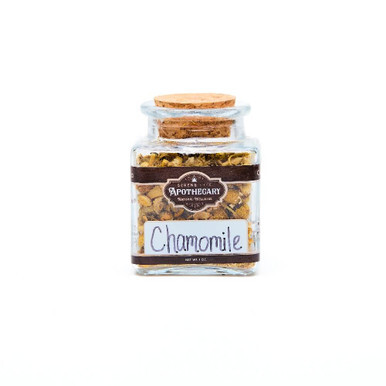
Chamomile Tea – Organic Calming Tea
Overview:
This is your classic chamomile infusion featuring a clean, floral, and soothing experience. Perfect for those who want the pure essence of chamomile without added herbs.
Benefits Of Chamomile Tea:
- Promotes relaxation anytime.
- Reduces stress and tension with its calming scent and flavor.
- Naturally caffeine-free, ideal before bed or during wind-down routines.
Chamomile Tea Flavor Profile:
Soft and floral with subtle apple and honey undertones that chamomile lovers adore.
Best For:
Anyone seeking a simple, honest chamomile tea, especially as a transition from a busy day to calm evening.
How to Enjoy:
Steep 1–2 teaspoons in hot water for 5–7 minutes. Enjoy plain or with a touch of honey for a sweeter cup.
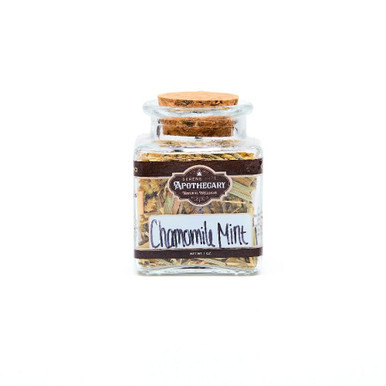
Chamomile Mint Tea – Calming & Wellness Blend
Overview:
This herbal blend combines chamomile with refreshing peppermint for a cup that’s both calming and uplifting.
Benefits Of Chamomile Mint Tea
- Naturally relaxing chamomile soothes tense moments.
- Peppermint supports healthy digestion and adds refreshing clarity.
- Caffeine-free and perfect for late-day unwinding.
Flavor Profile:
A traditionally earthy chamomile with a crisp, cooling mint finish for a balanced blend that feels both calming and invigorating.
Best For:
After meals or during mid-afternoon moments when you want calm without drowsiness.
How to Enjoy:
Steep 1–2 teaspoons per 8 oz cup in hot water just bought off the boil for 5–7 minutes. Sip warm or iced.
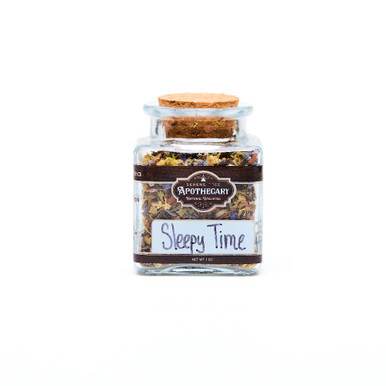
Sleepy Time Tea – Calming & Sleep Blend
Overview:
A specially crafted evening blend that combines chamomile, mint, and lavender to promote deeper relaxation and help ease into a restful night.
Benefits Of Sleepy Time Tea:
- Chamomile and lavender help calm the nervous system.
- Mint brings a gentle, refreshing finish that clears the mind.
- Designed for pre bedtime sipping with no caffeine.
Flavor Profile:
Soft chamomile, soothing floral lavender, and cool mint come together for a dreamy, comforting cup.
Best For:
Evening tea routine, after work decompression, or any time you want a to get ready to go to sleep.
How to Enjoy:
Steep 1–2 teaspoons in hot (not boiling) water for 5–7 minutes. Add honey for extra sweetness and warmth.
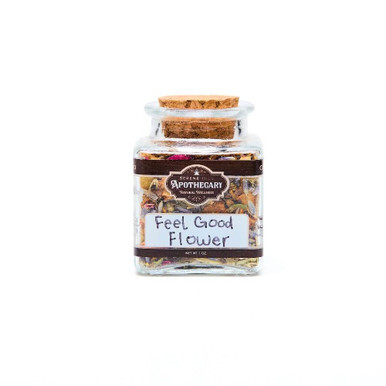
Feel Good Flower Tea – Calming Floral Bouquet
Overview:
This aromatic blend extends chamomile’s calming base with rose petals, lavender, hibiscus, calendula, and citrus–creating a midday pick-me-up that’s floral, refreshing, and uplifting
Benefits Of Feel Good Flower Tea:
- Lifts mood with a bright floral profile.
- Soothes and calms with chamomile and lavender support.
- Hibiscus brings a refreshing tartness that balances sweetness.
- Caffeine-free and ideal anytime.
Flavor Profile:
Soft honeyed chamomile with gentle floral notes, bright tart hibiscus, and warm calendula for depth.
Best For:
Daytime enjoyment, mood-boosting tea breaks, or when you want calm and brightness in one cup.
How to Enjoy:
Steep 1–2 teaspoons in hot water for 3–5 minutes. Lovely plain or with a squeeze of citrus or drizzle of honey.
How to Choose Your Chamomile Tea
Here’s a helpful way to match your mood to the right Chamomile Tea blend:
- Just want to simply calm down after a tense day? Choose Chamomile Tea – Organic Calming Tea
- Wanting Digestive comfort + calm support? Choose Chamomile Mint Tea
- Bedtime relaxation aid? Choose Sleepy Time Tea
- Uplifted mood & floral sip? Choose Feel Good Flower Tea
When choosing the right chamomile tea, you can think in terms of what you want the tea to do for your day. If you want a classic chamomile experience that feels gentle, straightforward, and universally comforting, pure chamomile is the best fit. If you want calm with a cleaner, refreshing finish and a little extra digestive support after meals, mint is an ideal partner to chamomile because it balances the floral sweetness with a crisp cooling note.
If your goal is sleep support, the best chamomile blends are the ones designed for nighttime rituals, where the aroma and flavor help signal to your body that it’s time to slow down. Lavender is a common companion here because it adds a soothing floral layer that pairs naturally with chamomile. If you want something calming but also uplifting in mood and experience, a floral bouquet style blend can feel bright and encouraging without stimulation, which makes it a great choice for daytime tea breaks.

Is Chamomile Tea Good for You?
Chamomile tea is widely considered good for you due to its long history of traditional use and its gentle, plant-based compounds that support overall wellness. Made from the dried flowers of the chamomile plant, this caffeine-free herbal tea contains naturally occurring flavonoids such as apigenin, along with antioxidants that help the body manage everyday stress.
One of the biggest reasons chamomile tea is good for you is its balancing effect on the nervous system. Rather than stimulating or sedating aggressively, chamomile promotes calm by gently encouraging relaxation. This makes it suitable for daily use—morning, afternoon, or evening—without disrupting natural rhythms.
Chamomile tea is also valued for its digestive support. Traditionally, it has been used after meals to ease bloating, soothe the stomach, and help the digestive muscles relax. Many people find that a warm cup of chamomile tea after dinner helps them feel lighter and more comfortable.
Because chamomile tea is naturally caffeine-free and low in acidity, it’s also easy on the body for those sensitive to stimulants or harsh beverages. When sourced properly—like the whole-flower, organic chamomile used at Serene Tree Apothecary—it provides a clean, aromatic, and nourishing cup that fits seamlessly into a wellness-focused lifestyle.

Chamomile Tea for Sleep
Chamomile tea is one of the most popular herbal teas for sleep, and for good reason. Its calming properties help prepare both the mind and body for rest without acting as a harsh sedative. Instead of forcing sleep, chamomile encourages relaxation, making it easier to unwind naturally at the end of the day.
The key compound often associated with chamomile tea for sleep is apigenin, a naturally occurring flavonoid that interacts with receptors in the brain related to relaxation and calmness. This interaction may help reduce racing thoughts and mental tension that commonly interfere with falling asleep.
Chamomile tea is especially effective when incorporated into a consistent bedtime ritual. Drinking it 30–60 minutes before bed, paired with dim lighting and reduced screen exposure, signals to the body that it’s time to slow down. Blends that include calming botanicals such as lavender or mint—like Serene Tree Apothecary’s Sleepy Time Tea—can further enhance this effect by adding soothing aromatics and gentle flavor layers.
Because chamomile tea is caffeine-free, it won’t disrupt sleep cycles or cause nighttime restlessness. For people who struggle with occasional sleeplessness, stress-related insomnia, or difficulty winding down, chamomile tea offers a natural, comforting way to support better sleep quality over time.
Best Time to Drink Chamomile Tea for Sleep
For most people, the most effective window is 30–60 minutes before bedtime, because it gives you time to settle into a calmer state while still enjoying the aroma and warmth of the tea. If you’re using chamomile as part of a nightly ritual, try to keep your timing consistent. The routine itself becomes a signal to your body that the day is winding down. Pairing chamomile tea with low lighting, reading, journaling, or quiet music can make the entire experience more effective than treating tea like a one-off “sleep fix.”

Chamomile Tea Benefits Sexually
Chamomile tea may offer indirect benefits when it comes to sexual wellness by supporting relaxation, circulation, and emotional balance. While chamomile is not an aphrodisiac, many of the factors that influence a healthy sex life, such as reduced stress, improved mood, and better sleep—are areas where chamomile tea shines.
Stress and anxiety are common contributors to reduced libido and sexual tension. Chamomile tea helps calm the nervous system, which can allow the body to shift out of a stressed “fight-or-flight” state and into a more relaxed, receptive one. This relaxation can help people feel more present, comfortable, and connected during intimate moments.
Chamomile’s traditional role in supporting blood flow and muscle relaxation may also contribute to physical comfort. Relaxed muscles and reduced tension can enhance overall bodily awareness and ease, which are important for intimacy.
Additionally, better sleep, often supported by chamomile tea plays a key role in hormone regulation, energy levels, and sexual desire. Poor sleep is closely linked to reduced libido, while restful sleep supports balanced mood and vitality.
While chamomile tea should be viewed as a supportive wellness tool rather than a direct sexual enhancer, its calming, restorative effects can positively influence the conditions that support a healthy and satisfying intimate life.

Chamomile Tea and Pregnancy
Chamomile tea during pregnancy is a topic that requires thoughtful consideration. While chamomile is widely used as a calming herbal tea, pregnant individuals should approach it with moderation and awareness.
In traditional herbal practices, chamomile has been used to support relaxation, digestion, and stress relief—benefits that can be appealing during pregnancy. However, chamomile contains active plant compounds, and herbal teas can affect individuals differently, especially during pregnancy when the body is more sensitive.
Many healthcare professionals recommend limiting chamomile tea intake during pregnancy rather than consuming it daily or in large amounts. Occasional, mild cups may be acceptable for some individuals, but it’s important to consult a healthcare provider before making chamomile tea a regular habit during pregnancy.
Another consideration is allergy sensitivity. Chamomile belongs to the daisy family, and those with allergies to ragweed or related plants may experience reactions.
At Serene Tree Apothecary, our chamomile teas are organic and free from additives, which is essential for anyone seeking clean herbal options. However, pregnancy is a unique physiological state, and personalized medical guidance should always take priority when deciding whether chamomile tea is appropriate.

Chamomile Tea for Sore Throat
Chamomile tea is commonly used as a soothing remedy for sore throats due to its gentle warmth, hydration benefits, and calming properties. A warm cup of chamomile tea can help coat the throat, providing temporary relief from dryness, irritation, or scratchiness.
Chamomile’s natural compounds are traditionally associated with soothing and anti-inflammatory effects, which may help calm throat discomfort. When consumed warm, the steam from chamomile tea can also help moisten nasal passages and ease minor congestion that sometimes accompanies throat irritation.
Many people enhance chamomile tea for sore throat relief by adding raw honey, which provides additional coating and soothing benefits. Lemon can also be added for brightness and a gentle cleansing sensation, though it should be used sparingly if the throat is highly irritated.
Chamomile tea is caffeine-free and non-acidic, making it especially suitable when the throat is sensitive. Unlike highly caffeinated or acidic beverages, it won’t further irritate inflamed tissues.
While chamomile tea is not a medical treatment, it can be a comforting part of a broader care routine—especially during seasonal changes, dry weather, or periods of vocal strain. Check out our wellness & immunity teas.

Chamomile Tea for Anxiety
Chamomile tea is widely recognized as a natural option for managing anxiety and daily stress. Its calming reputation is rooted in centuries of traditional use and its gentle interaction with the nervous system.
The calming effects of chamomile tea are largely attributed to plant compounds like apigenin, which may help reduce nervous tension and promote relaxation. Unlike stimulants that heighten alertness, chamomile encourages the body to slow down, making it particularly helpful during moments of overwhelm or anxious thought patterns.
For individuals experiencing mild or situational anxiety—such as work stress, social tension, or difficulty unwinding—chamomile tea can serve as a grounding ritual. The act of brewing and sipping tea itself promotes mindfulness, while the aroma and warmth reinforce relaxation.
Chamomile tea is often used in the evening, but it can also be beneficial during the day when anxiety feels elevated. Blends that include complementary calming botanicals, such as lavender or mint, may further enhance the soothing experience.
While chamomile tea is not a replacement for professional mental health care, it can be a supportive tool within a broader wellness routine that includes rest, hydration, and stress-management practices.
Find our best selection of teas for calmness.
How to Brew Chamomile Tea for the Best Flavor
Brewing chamomile tea sounds simple, but a few small choices make a big difference in aroma, flavor, and the overall “calm” experience you get from the cup. Chamomile is naturally delicate, and because it’s made from flowers, you want to preserve the essential oils and fragrance that live in the blossoms. When chamomile is steeped correctly, the tea tastes soft, floral, and slightly sweet with that classic apple-honey note. When steeped poorly, the cup can taste flat, watery, or “stale,” which is often a freshness issue or a steeping issue.
Recommended steeping: Use 1–2 teaspoons of loose-leaf tea (or whole blossoms) per 8 oz cup. Bring water to a near boil and let it sit for a few seconds before pouring. Steep for 5–7 minutes for a fuller, more calming cup. If you prefer a lighter flavor, steep closer to 3–5 minutes. Cover your mug while steeping to keep the aromatics from escaping—this is one of the easiest ways to improve flavor without changing anything else.
Optional additions: Chamomile tastes great plain, but honey adds warmth and sweetness, and citrus can brighten the cup. For evening routines, a small amount of honey can make the tea feel more comforting and dessert-like. For daytime cups, a squeeze of lemon can make chamomile feel fresher and more uplifting.
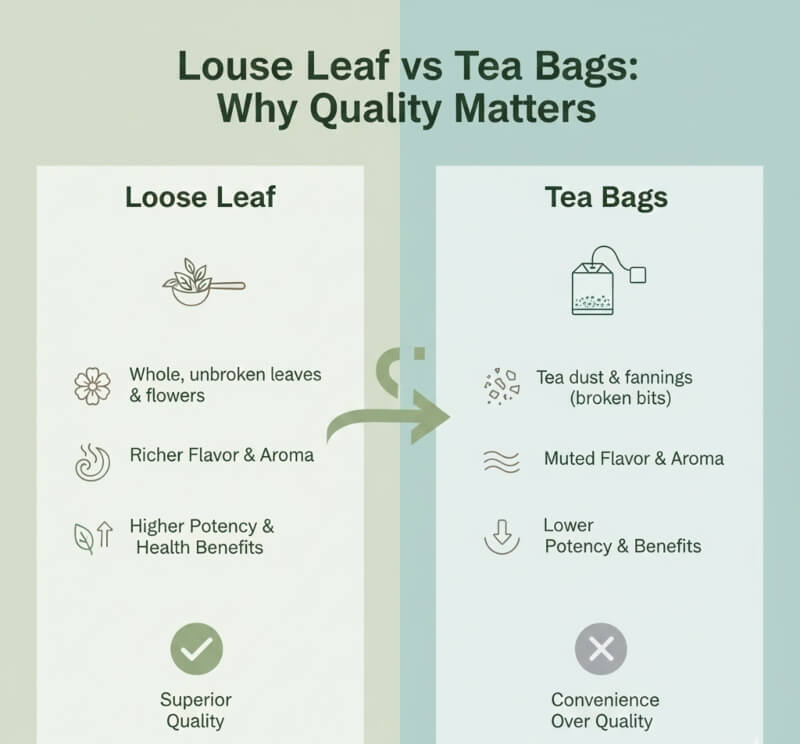
Loose Leaf vs Tea Bags: Why Quality Matters
A major difference between “average chamomile tea” and “incredible chamomile tea” comes down to how it’s processed and stored. Many mass-market chamomile tea bags use broken flower fragments and fine “dust” because it’s easier for large producers to pack and ship. The downside is that smaller particles lose aroma faster and can taste stale more quickly. Tea bags also often sit in warehouses and distribution centers for long periods before they ever reach your home, which means the tea may be far from fresh by the time you drink it.
Loose-leaf chamomile (especially whole blossoms) preserves the flower’s natural oils and fragrance. When you open a fresh jar of chamomile, you should smell that floral apple-honey scent immediately. That aroma translates into flavor. This is also why small-batch blending matters: when tea is blended and packed closer to harvest, it retains more character and freshness.
At Serene Tree Apothecary, we focus on organic botanicals, freshness, and clean sourcing so you can taste the difference. If you’ve ever tried chamomile that felt “weak” or “dusty,” switching to fresh, whole-flower chamomile is usually the fastest fix.
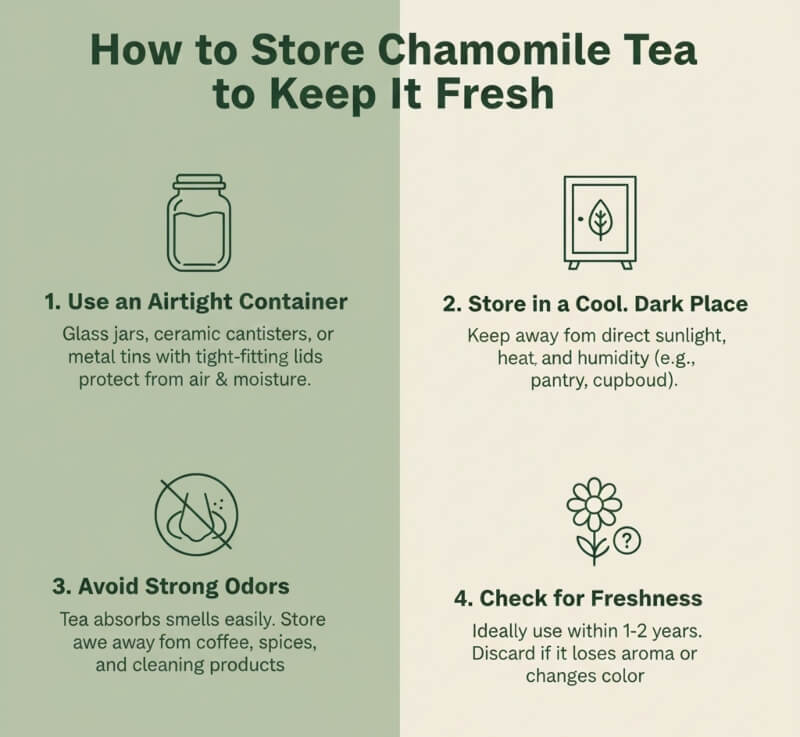
How to Store Chamomile Tea to Keep It Fresh
Chamomile stays best when stored like other high-quality botanicals: away from heat, humidity, direct sunlight, and strong odors. Flowers can absorb surrounding scents, so storing chamomile next to spices, coffee, or strongly scented pantry items can change the aroma of your tea over time. The simplest rule is to keep chamomile in a cool, dry place in an airtight container.
If you want your chamomile to taste bright and aromatic every time, avoid storing it on a countertop near a stove or in a humid area near a dishwasher. A pantry cabinet is usually perfect. Freshness isn’t just a detail—it’s the entire difference between chamomile that feels soothing and chamomile that feels bland.

Can Chamomile Tea Be Iced?
Yes—chamomile tea can be iced, and it’s one of the best caffeine-free iced teas because it stays smooth and gentle even when chilled. Iced chamomile is especially refreshing when you want calm without heat, and it’s a great way to enjoy floral blends like Feel Good Flower Tea during warmer months.
To make iced chamomile that doesn’t taste watered down, brew a slightly stronger concentrate: use 2 teaspoons per 8 oz and steep for 6–8 minutes. Let it cool, then pour over ice. You can also chill it in the fridge for a cleaner taste. If you want a brighter iced version, add a small squeeze of citrus. If you want a more relaxing evening iced tea, a touch of honey (added while warm) can round out the flavor.
Chamomile Tea FAQs
Is chamomile tea good for you?
Chamomile teas are universally seen as good for you due to its long history of traditional use and its gentle, plant based ingredients that support overall wellness. Made from the dried flowers of the chamomile plant, this caffeine free herbal tea contains naturally occurring flavonoids such as apigenin, along with antioxidants that help the body manage everyday stress.
Does chamomile tea help with sleep?
Chamomile tea is one of the more popular herbal teas for sleep because its calming properties help prepare both the mind and body for rest without acting as a harsh sedative. Instead of forcing sleep, chamomile encourages relaxation, making it easier to unwind naturally at the end of the day, so step away from your computer and that blue light, and sip on some tea.
What are chamomile tea benefits sexually?
Chamomile tea may offer some indirect benefits when it comes to sexual wellness by supporting relaxation, circulation, and emotional balance. While chamomile is not an official aphrodisiac, reduced stress, improved mood, and better sleep are areas where chamomile tea can support overall wellness and comfort. Just make sure to not overdo it on the chamomile tea, as you may get too relaxed and fall asleep on your partner.
Can you drink chamomile tea during pregnancy?
Chamomile tea during pregnancy is a topic that requires thoughtful consideration. Many healthcare professionals recommend limiting chamomile tea intake during pregnancy rather than consuming it daily or in large amounts, and it’s important to consult a healthcare provider before making chamomile tea a regular habit during pregnancy. In any case, always consult a doctor in regards to consuming anything while pregnant that may be questionable.
Is chamomile tea good for a sore throat?
Chamomile tea is commonly used as a soothing remedy for sore throats due to its gentle warmth, hydration benefits, and calming properties. Many people also add honey for additional coating and soothing benefits. Stress hormones help keep you sick, chamomile helps relieve you of those hormones, aiding in your bodys ability to heal itself.
Does chamomile tea help with anxiety?
Chamomile tea is widely recognized as a natural option for managing anxiety and daily stress. The act of brewing and sipping tea itself promotes mindfulness, while the aroma and warmth reinforce relaxation. Sit back and enjoy that warm mug of chamomile while sitting by a fire.
Can you drink chamomile tea every day?
Many people wonder if it’s safe to drink chamomile tea every day, and for most individuals, the answer is yes, when consumed in moderation and sourced responsibly. Rotating blends can help diversify botanical intake and prevent sensory fatigue. With anything in life, moderation is key, so try our different teas to keep your taste buds on their toes.
Does chamomile tea have caffeine?
Chamomile tea is naturally caffeine free due to it coming from 100% organic plant materials, which is one of the primary reasons it’s so popular for evening and nighttime use. Unlike traditional teas made from the Camellia sinensis plant, chamomile is an herbal infusion made solely from dried flowers, giving you a fragrent, flavorful cup.
Is chamomile tea good for digestion?
Chamomile tea has long been used to support digestion and soothe the gastrointestinal system. Chamomile blends that include mint, such as chamomile mint tea, are especially popular for digestion.
Who should avoid chamomile tea?
Individuals with daisy family allergies, those taking certain medications, pregnant individuals, or people preparing for surgery should consult a healthcare professional before drinking chamomile tea regularly.