

Posted by Marco Graham on Apr 29th 2026
Matcha Tea: A Ritual for Energy, Clarity, and Everyday Wellness
☘ Rooted in Ritual
Matcha Tea: An Everyday Wellness Ritual
In a fast-paced world that often asks us to rush, consume more, and push through, simple rituals can help us return to ourselves. Matcha tea offers a quiet daily practice for energy, balance, clarity, and intentional living.
✿ Why Matcha?
A vibrant green tea for energy, clarity, and calm.
At Serene Tree Apothecary, we believe in intentional living. Matcha tea is not just about energy. It is a mindful ritual that invites balance, focus, nourishment, and a moment to reconnect with yourself.
Calm Energy
Matcha naturally contains caffeine and L-theanine for a smoother, steadier energy ritual.
Antioxidants
Because you consume the whole ground tea leaf, matcha offers a concentrated green tea experience.
Mental Clarity
A cup of matcha can support a focused morning, creative session, study ritual, or mindful reset.
Simple Ritual
The act of preparing matcha helps you slow down, breathe, and begin again with intention.
☘ Green Tea Powder
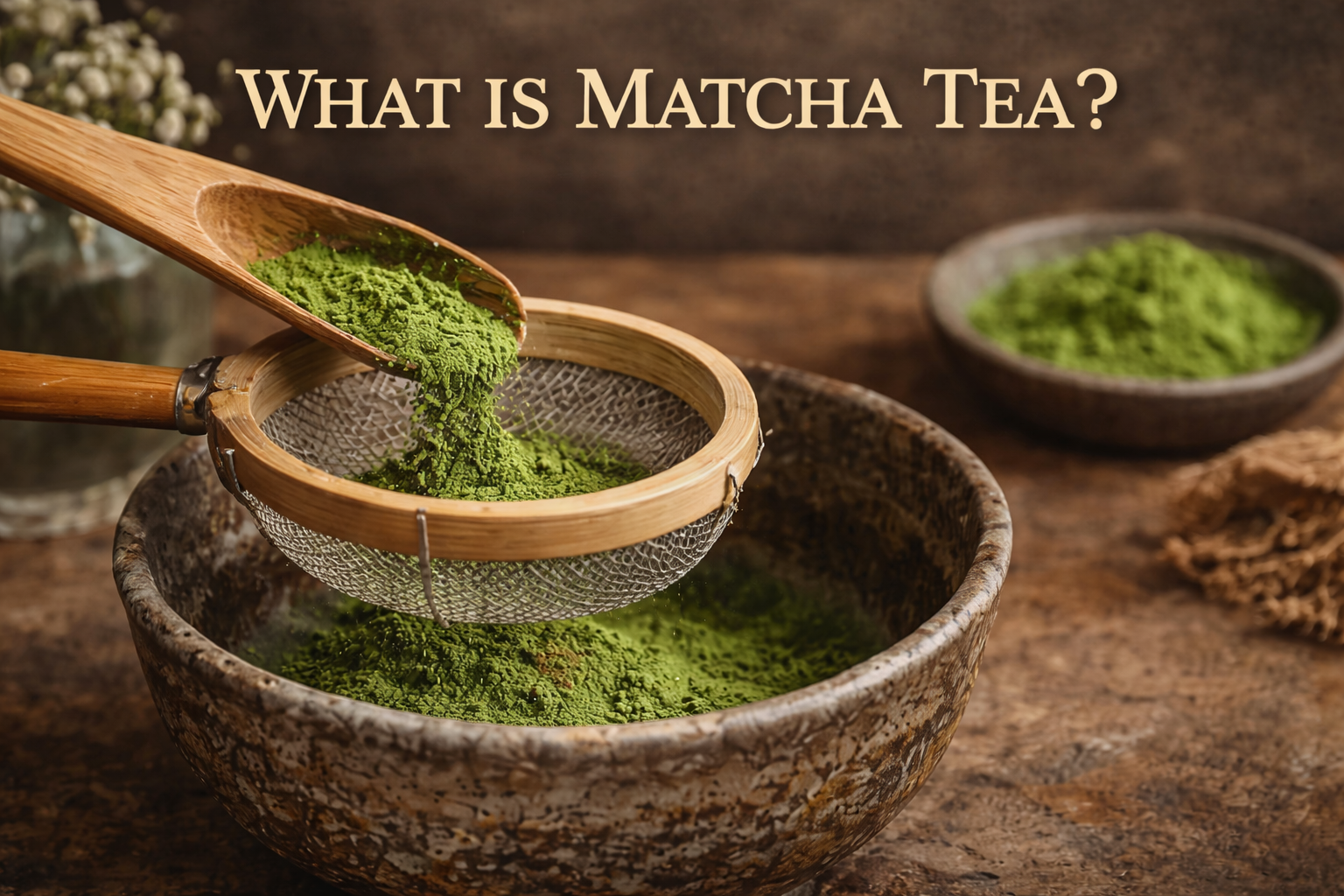
What Is Matcha Tea?
Matcha tea is a finely ground green tea powder made from the leaves of the Camellia sinensis plant. Unlike traditional green tea, where leaves are steeped and removed, matcha is whisked into water and consumed whole.
The tea leaves are shade-grown before harvest, which contributes to matcha’s vibrant green color, smooth taste, and naturally nourishing character.
◇ Mind & Body Benefits
Benefits of matcha tea for everyday wellness.
Matcha is loved by tea drinkers who want energy without losing a sense of calm. It brings together the strength of green tea with the grounding beauty of a simple preparation ritual.
Calm, Sustained Energy
Matcha contains caffeine, but its naturally occurring L-theanine helps create a steadier energy experience than a quick rush.
Rich in Antioxidants
Matcha naturally contains green tea catechins, including EGCG, as part of its vibrant whole-leaf profile.
Metabolism & Balance
Many people include matcha in their daily rhythm as a gentle way to support wellness and mindful nourishment.
Focus & Clarity
Matcha can be a beautiful companion for creative work, meditation, study, or a clear morning start.
Daily Practice
Matcha Tea as a Daily Ritual
More than just a beverage, matcha tea is a ritual. Preparing matcha lets you slow down, sift, pour, whisk, and breathe.
This simple process becomes a moment of calm. It can anchor your mind before the day begins, support an afternoon reset, or help you feel grounded when life feels overwhelming.
Whole Leaf Wellness
A Chlorophyll-Rich Green Tea Experience
Shade-grown matcha is known for its vivid green color and rich plant profile. Because matcha is made from finely ground whole tea leaves, each cup offers the full character of green tea in a smooth, concentrated form.
For many tea drinkers, matcha becomes a daily reset: bright, earthy, energizing, and grounding all at once.
Coffee Alternative
Why Matcha Feels Different Than Coffee
Matcha naturally contains caffeine, but it also contains L-theanine, an amino acid associated with a calm, focused tea experience. That is why many people choose matcha when they want energy that feels smoother and more balanced.
Often chosen for a fast, bold morning boost.
Often chosen for a calmer, more mindful energy ritual.
A simple way to pause before stepping into the pace of the day.
Natural Wellness
Why Matcha Tea Aligns With Natural Wellness
At its core, matcha tea reflects what we value at Serene Tree Apothecary: pace over urgency, nourishment over stimulation, and ritual over routine.
- Pace over urgency
- Nourishment over stimulation
- Ritual over rushed habits
- Presence over distraction
Matcha reminds us that wellness does not have to be complicated. Sometimes, it begins with something as simple as a warm cup in your hands.
How to Prepare Matcha
Sift, pour, whisk, breathe.
Preparing matcha can be as simple or ceremonial as you want it to be. Start with quality matcha, warm water, and a few quiet minutes.
Traditional Preparation
Classic Matcha Tea
- 1–2 teaspoons matcha powder
- Warm water, not boiling
- Matcha bowl or mug
- Matcha whisk or small frother
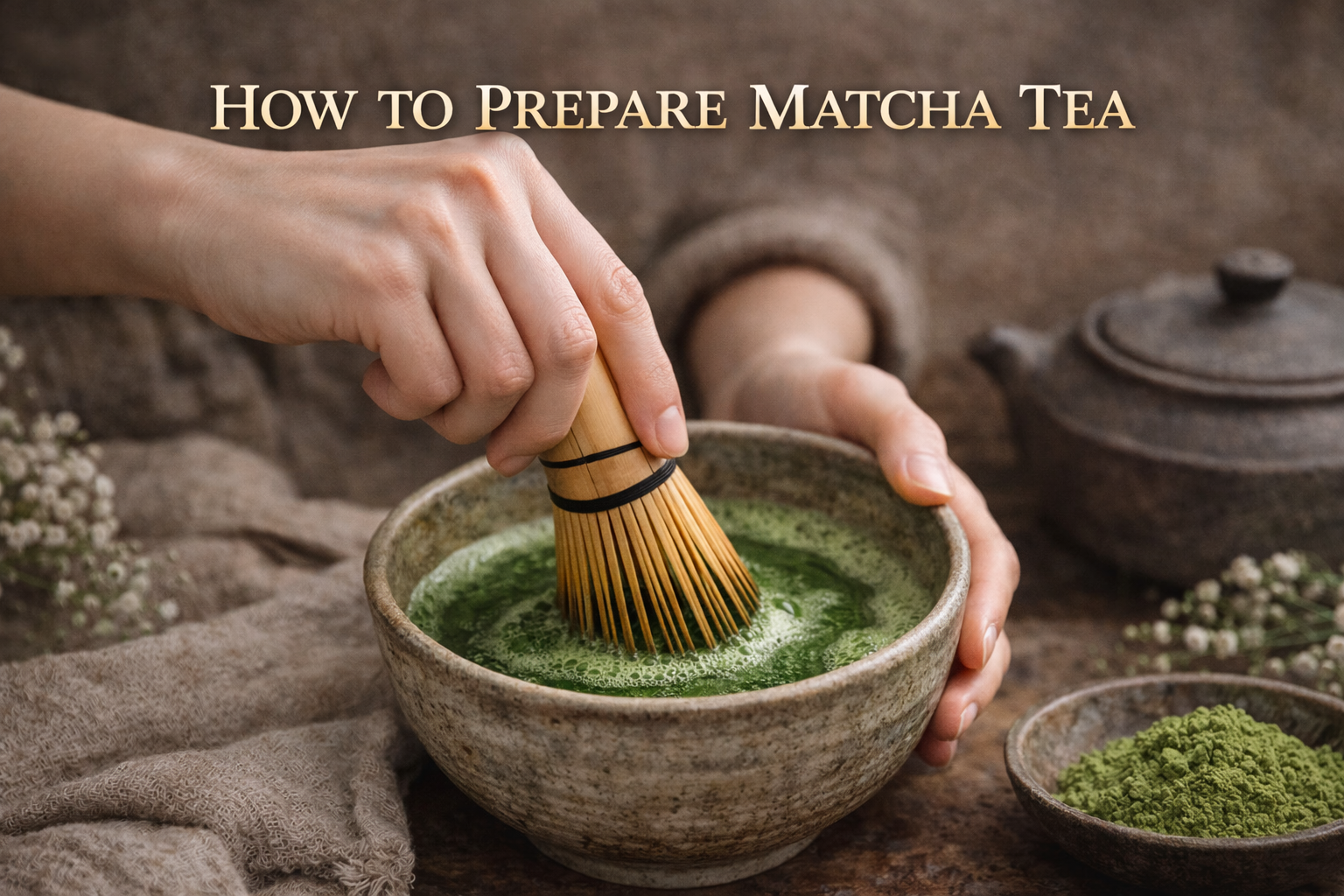
- Sift 1–2 teaspoons of matcha powder into a bowl.
- Add a small amount of warm water.
- Whisk in a zigzag motion until smooth and frothy.
- Add more water to taste and sip slowly.
Modern Matcha
Other Ways to Enjoy Matcha Tea
Matcha can be enjoyed traditionally, but it also blends beautifully into modern wellness routines.
- Matcha lattes with oat, almond, or coconut milk
- Smoothies for a green energy boost
- Baked goods, energy bites, or breakfast bowls
- Iced matcha with honey or vanilla
- Morning rituals
- Afternoon resets
- Creative work
- Slow, mindful sipping
Clean Ingredients
Choosing High-Quality Matcha Tea
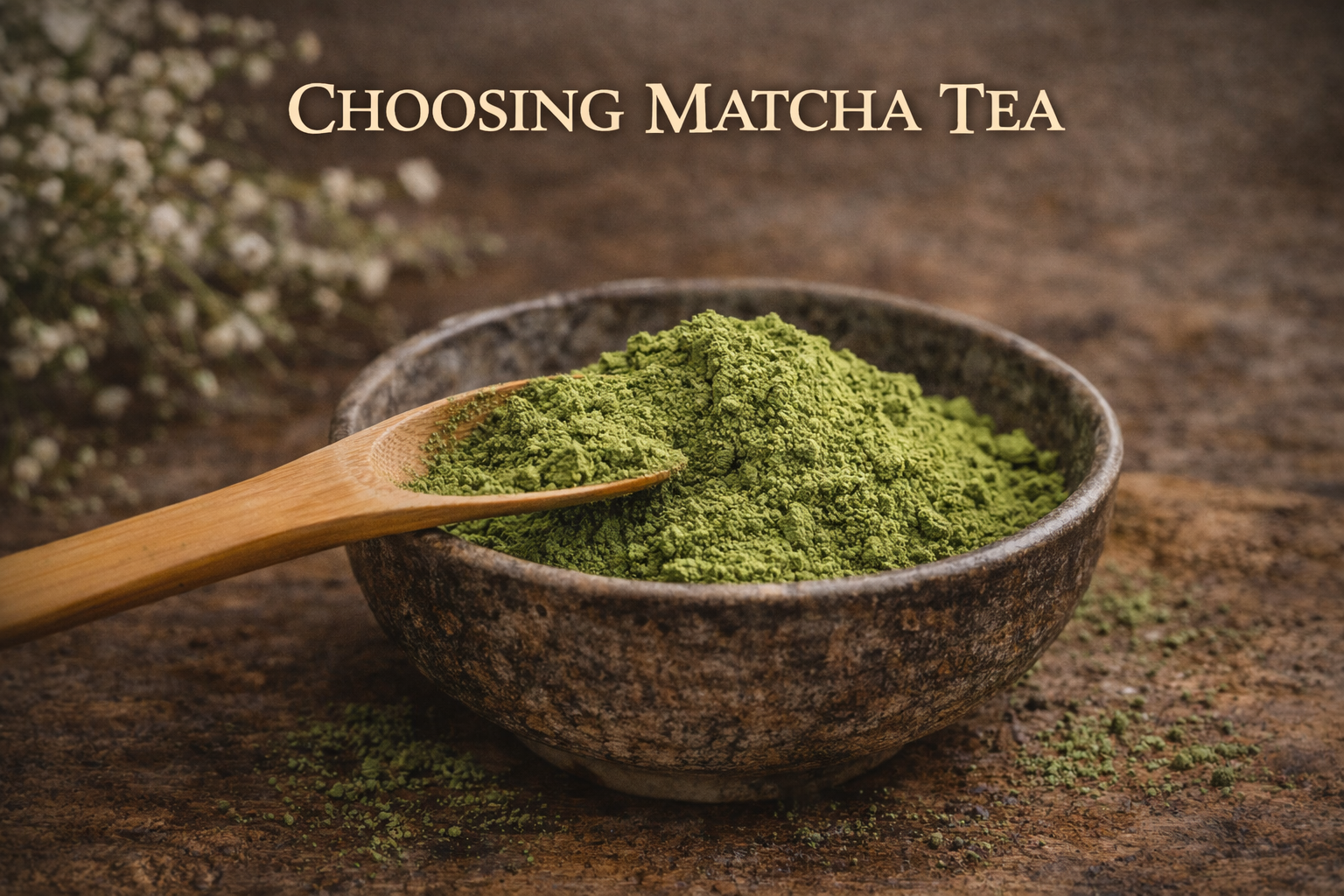
To experience the full beauty of matcha tea, quality matters. High-quality matcha offers a smoother, more balanced experience and reflects careful cultivation from soil to cup.
Look for a bright, lively green color.
Smooth, finely ground matcha blends more easily.
A fresh, slightly sweet scent is a good sign.
Quality matcha tastes smooth, earthy, and gently grassy.
Small Rituals
How to incorporate matcha tea into your routine.
Matcha does not need to replace your habits overnight. Let it gently become part of your daily rhythm in a way that feels natural, sustainable, and enjoyable.
Morning Matcha
Start your day with matcha tea as a calm alternative to a rushed coffee routine.
Afternoon Reset
Enjoy matcha when you want a centered pause without feeling overstimulated.
Mindful Preparation
Create a quiet ritual around sifting, pouring, whisking, and taking your first sip.
Creative Focus
Pair matcha with journaling, creative work, meditation, study, or focused planning.
What Does Matcha Tea Taste Like?
Matcha has a unique flavor profile that can be earthy, grassy, creamy, slightly sweet, and softly savory. Quality matcha should taste smooth and balanced, not harsh or overly bitter.
Earthy Smooth Creamy Vibrant
Matcha Tea vs. Green Tea
Matcha and green tea come from the same tea plant, but they are prepared differently. Traditional green tea is steeped and removed, while matcha is powdered and whisked directly into water.
Matcha Tea
- Made from finely ground whole tea leaves.
- Whisked directly into water.
- Bold, concentrated green tea flavor.
- Often used for mindful energy rituals.
Green Tea
- Made from whole or cut tea leaves.
- Steeped in water, then removed.
- Lighter flavor and body.
- A simple daily tea for gentle sipping.
Gentle Caffeine Note
Matcha naturally contains caffeine. If you are sensitive to caffeine, pregnant, nursing, taking medication, managing a medical condition, or preparing tea for children, review ingredients carefully and ask a qualified healthcare professional before use.
Helpful Answers
Frequently Asked Questions About Matcha Tea
What is matcha tea made from?
Matcha tea is made from finely ground green tea leaves from the Camellia sinensis plant. Unlike steeped tea, matcha is whisked into water and consumed whole.
Does matcha tea have caffeine?
Yes, matcha naturally contains caffeine. Many people describe matcha energy as smoother than coffee because matcha also naturally contains L-theanine.
How do you prepare matcha tea?
Sift 1–2 teaspoons of matcha into a bowl, add warm water, whisk in a zigzag motion until frothy, then add more water or milk to taste.
What is the best time to drink matcha?
Many people enjoy matcha in the morning or early afternoon as a calm energy ritual. If you are sensitive to caffeine, avoid drinking matcha too close to bedtime.
Final Thoughts
Let matcha be more than a drink.
Matcha tea is not here to rush you. It is here to offer a sacred pause, a moment of clarity, and a calming ritual you can return to every day.
As you prepare your cup, take a deep breath. Let the warmth, color, and quiet rhythm remind you that wellness can begin with one intentional sip.
```