

Posted by Marco Graham on Oct 13th 2025
Organic Loose Leaf Tea
☕ Whole Leaf Tea Ritual
The Perfect Guide to Loose Leaf Tea
Ready to explore the world beyond the tea bag? Loose leaf tea offers fuller flavor, richer aroma, more brewing flexibility, and a more intentional daily ritual. This guide explains what loose leaf tea is, why many tea lovers prefer it, how to brew it, and how to choose the right tea for your taste.
✿ Loose Leaf Basics
What Is Loose Leaf Tea?
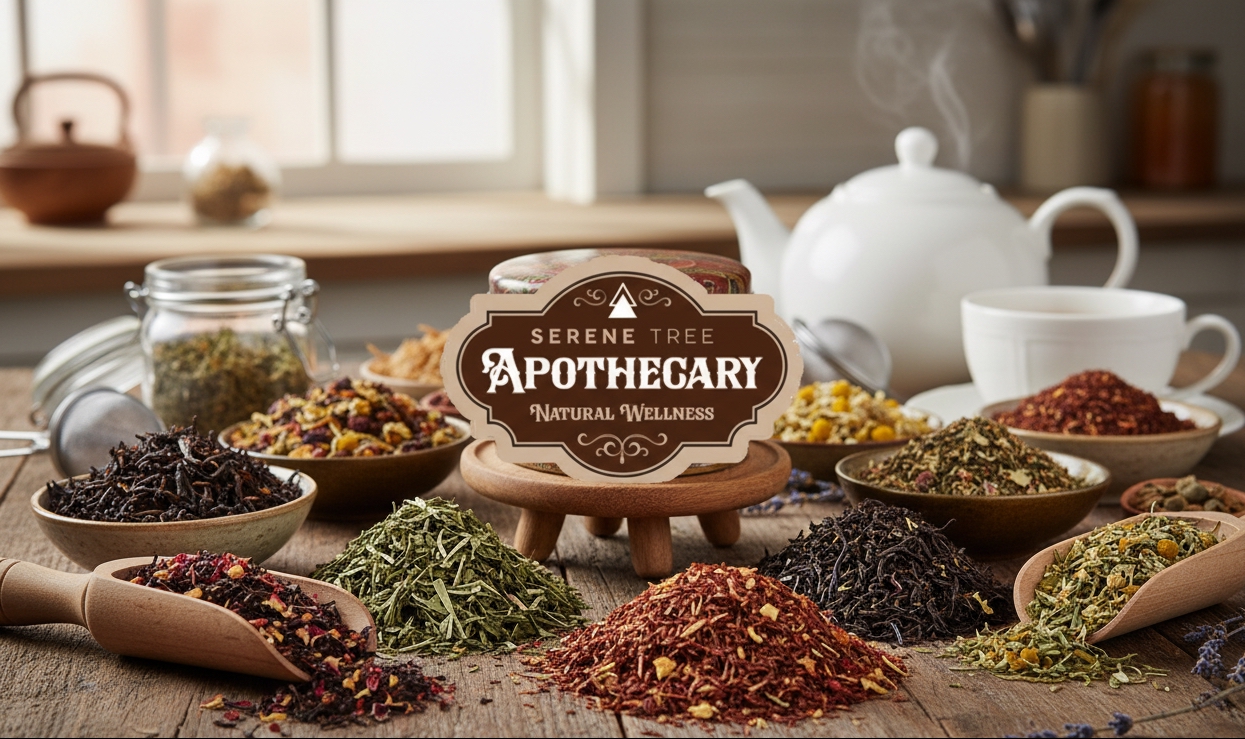
Loose leaf tea is tea that is not pre-portioned and sealed inside a single-serving tea bag. Instead, it is sold in a pouch, jar, tin, or bulk format so the leaves, herbs, flowers, spices, and botanicals have more space to expand while steeping.
Whole Leaf Character
Larger leaves and botanicals can retain more aroma, texture, and flavor complexity.
Room to Expand
Loose tea can fully unfurl in hot water, creating a more complete infusion.
More Control
Adjust tea amount, temperature, steep time, and strength to match your taste.
A Better Ritual
Scooping, steeping, and straining tea can turn a simple drink into a mindful pause.
Loose Leaf vs. Bagged Tea
Why Loose Leaf Tea Usually Tastes Better
The biggest difference between loose leaf tea and many standard tea bags is the quality, size, and freshness of the leaf. Loose leaf tea often uses larger pieces of tea, herbs, and botanicals, while many mass-market tea bags contain smaller broken particles that can lose aroma faster.
| Feature | Loose Leaf Tea | Standard Tea Bags |
|---|---|---|
| Tea Quality | Often larger leaves, herbs, flowers, and botanicals | Often smaller particles, dust, or fannings |
| Flavor Profile | Fuller, smoother, more aromatic, and more layered | Can taste flatter, sharper, or more one-dimensional |
| Leaf Structure | Leaves have room to unfurl and release flavor gradually | Particles are confined and extract quickly |
| Brewing Control | Easy to adjust amount, strength, and steeping style | Pre-portioned and less flexible |
| Tea Ritual | More sensory, customizable, and intentional | Convenient, but less immersive |
Whole Leaf Benefits
Benefits of Choosing Loose Leaf Tea
Switching to loose leaf tea can elevate your daily cup in several ways: better flavor, more aroma, less packaging waste, more brewing control, and a more meaningful tea ritual.
Benefit 1
Fuller Flavor and Aroma
Loose leaf tea gives leaves and botanicals more space to open. That means more aroma in the cup, more texture on the palate, and a smoother, more satisfying tea experience.
Benefit 2
Naturally Occurring Plant Compounds
True teas such as black, green, white, and oolong naturally contain polyphenols and other plant compounds. Herbal teas offer different botanical profiles depending on the ingredients in the blend.
Benefit 3
Less Single-Use Waste
Loose leaf tea can help reduce reliance on individually wrapped tea bags. Pair it with a reusable infuser, tea strainer, or teapot for a more sustainable daily routine.
Benefit 4
Better Value Per Cup
Many high-quality loose leaf teas can be re-steeped, especially green, white, oolong, and some black teas. That means you can enjoy more than one cup from the same leaves.
Benefit 5
More Brewing Flexibility
Use a little less tea for a lighter cup, add more for strength, steep shorter for delicate flavor, or brew stronger for iced tea and lattes.
Tea Tip
Freshness changes everything.
If your tea tastes dull, dusty, or flat, it may be old, over-steeped, or made from lower-quality particles. Fresh loose leaf tea is often the fastest way to improve your cup.
Brewing Guide
How to Brew Loose Leaf Tea
Making tea without a tea bag is simple. Start with the right amount of tea, give the leaves room to expand, and adjust water temperature and steep time based on the tea type.
Step 1: Measure
Start with 1–2 teaspoons of loose leaf tea per 8 oz of water. Use less for a lighter cup or more for stronger flavor.
Step 2: Heat Water
Use the right temperature for your tea. Black and herbal teas can usually handle hotter water, while green and white teas prefer cooler water.
Step 3: Steep
Let the tea steep long enough to release aroma and flavor, then strain promptly to avoid bitterness.
Step 4: Sip
Enjoy plain or add milk, honey, citrus, mint, spices, or ice depending on the tea.
Loose Leaf Tea Brewing Chart
| Tea Type | Water Temperature | Steep Time | Best For |
|---|---|---|---|
| Black Tea | 200–212°F | 3–5 minutes | Bold cups, breakfast tea, milk tea |
| Green Tea | 175–185°F | 2–3 minutes | Fresh, grassy, lighter cups |
| White Tea | 170–185°F | 3–5 minutes | Delicate, soft, naturally sweet flavor |
| Oolong Tea | 185–205°F | 3–5 minutes | Floral, roasted, layered infusions |
| Herbal Tea | 200–212°F | 5–7 minutes | Caffeine-free botanicals and wellness rituals |
Tea Tools
Best Tools for Brewing Loose Leaf Tea
You do not need anything complicated to make loose leaf tea. The best tool is the one that gives your leaves enough room to expand and makes straining easy.
Basket Infuser
Great for single cups because the basket gives leaves space to open.
Teapot with Infuser
Ideal for brewing multiple cups or sharing tea with guests.
French Press
A simple way to brew larger batches and strain leaves cleanly.
Fine-Mesh Strainer
Steep leaves directly in a pot, then pour through the strainer.
Tea Types
Explore the Major Types of Loose Leaf Tea
Every tea type has its own personality. Start with the flavor profile you love most, then explore new tea families from there.
Bold & Classic
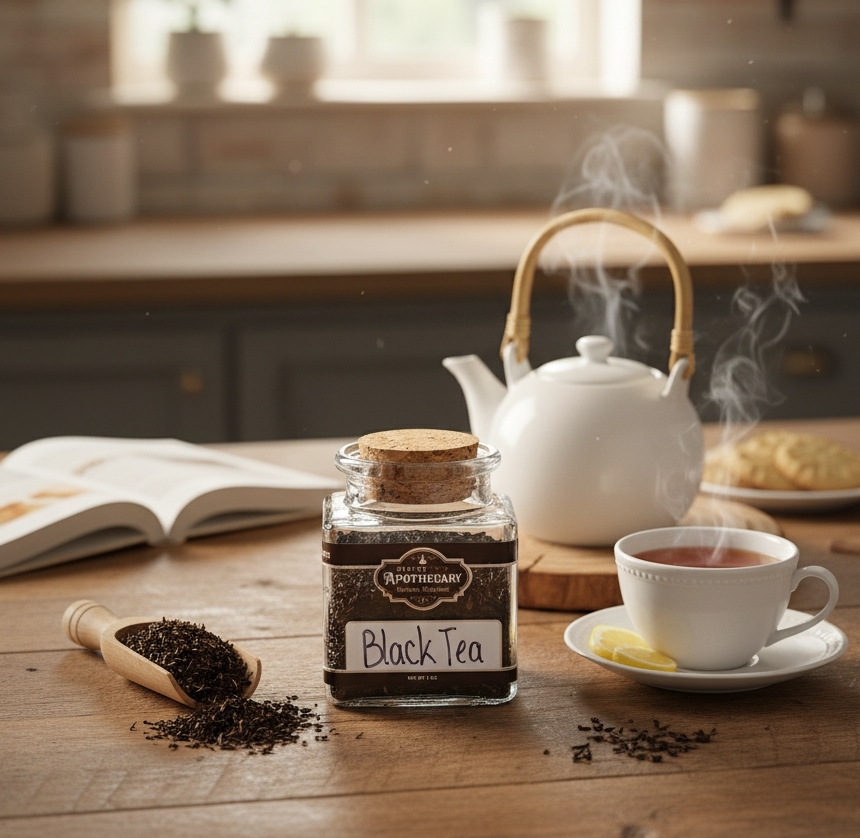
Loose Leaf Black Tea
Black tea is fully oxidized, giving it a deep color, bold body, and rich flavor. It is often enjoyed in the morning, with breakfast, or as a coffee alternative.
Malty, brisk, bold, smooth, sometimes fruity or lightly smoky.
English Breakfast, Assam, Ceylon, Earl Grey, Chai, and classic breakfast blends.
Fresh & Bright
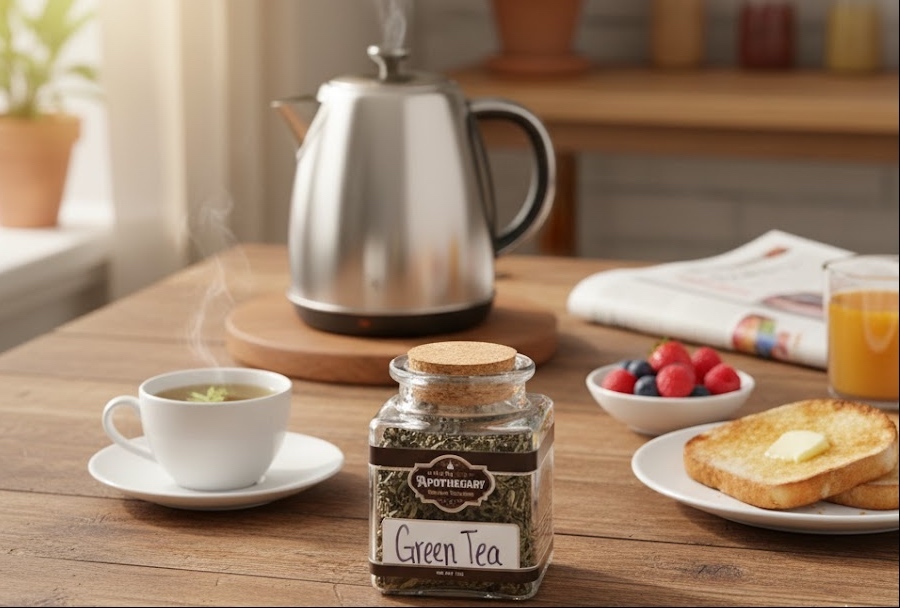
Loose Leaf Green Tea
Green tea is minimally oxidized, which helps preserve a lighter color and fresh flavor. It is often loved for its clean taste and gentler caffeine feel.
Fresh, grassy, vegetal, toasted, floral, or lightly sweet depending on origin and processing.
Use cooler water to avoid bitterness. Around 175–185°F is a helpful starting point.
Delicate & Soft
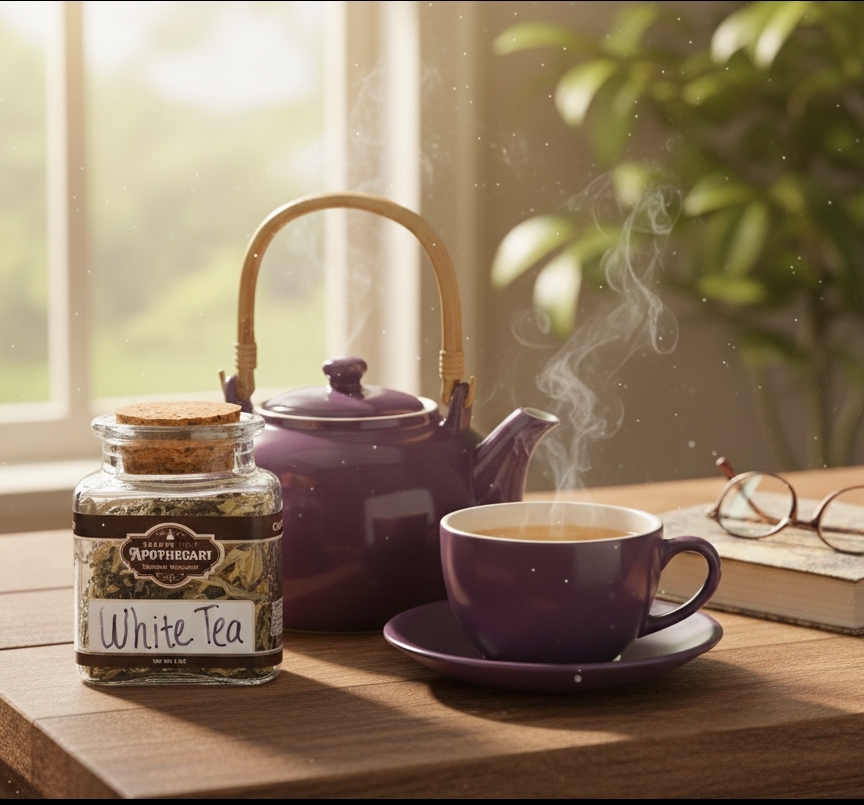
Loose Leaf White Tea
White tea is one of the least processed traditional teas. It is known for its delicate body, soft aroma, and naturally sweet, graceful flavor.
Light, floral, silky, honeyed, hay-like, or subtly fruity.
Gentle mornings, afternoon calm, and tea drinkers who prefer subtle flavor.
Botanical & Caffeine-Free
Loose Leaf Herbal Tea
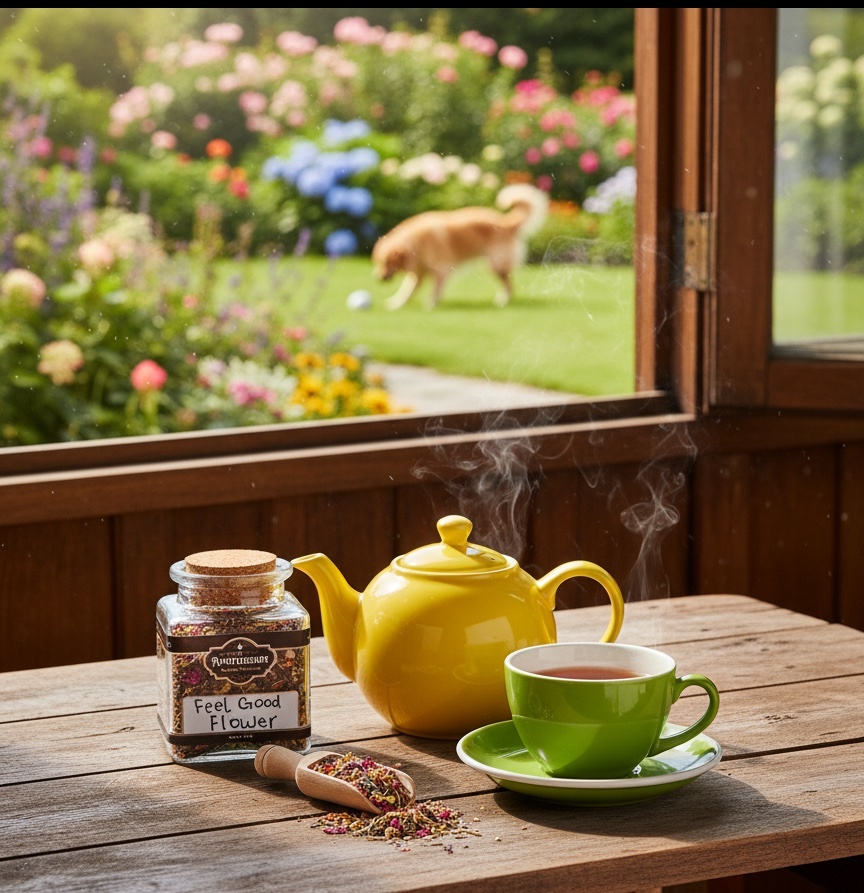
Herbal tea is an infusion made from herbs, flowers, spices, roots, fruits, and botanicals rather than the Camellia sinensis tea plant. Many herbal teas are naturally caffeine-free.
Floral, minty, earthy, fruity, spicy, tart, sweet, or grounding depending on the blend.
Chamomile, peppermint, rooibos, turmeric, hibiscus, lavender, and wellness blends.
Layered & Aromatic
Loose Leaf Oolong Tea
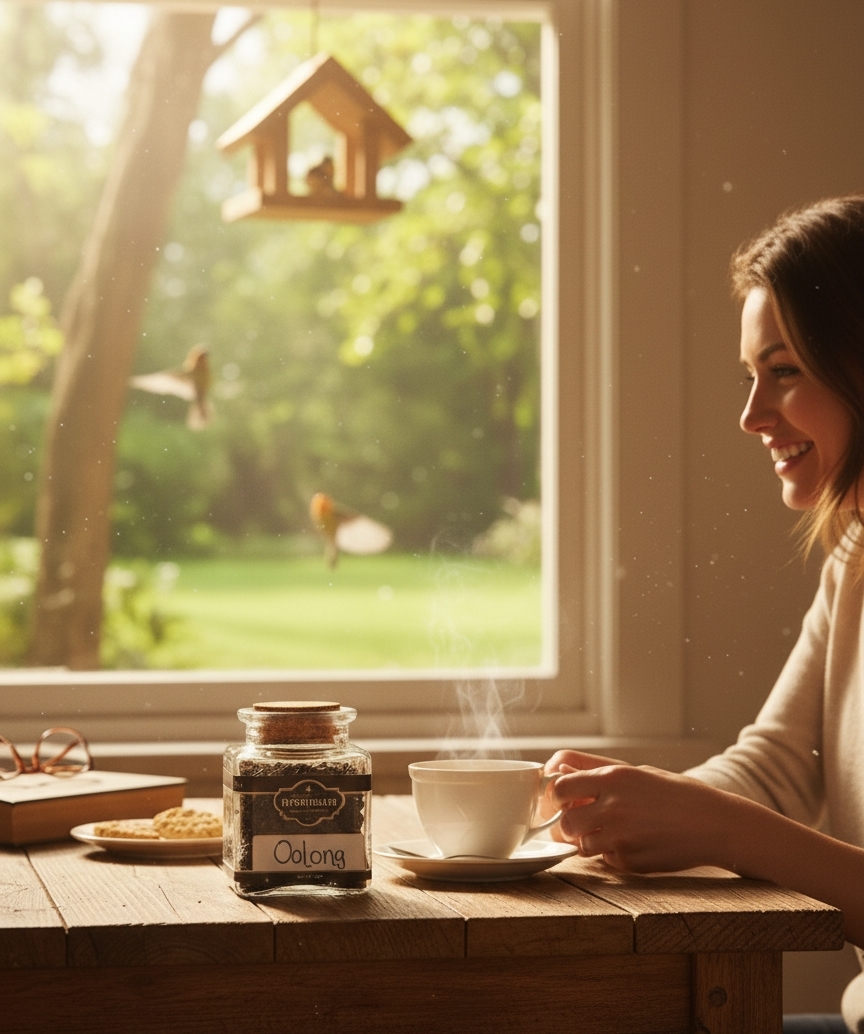
Oolong tea is partially oxidized, sitting between green and black tea. Depending on the style, it can be light and floral, creamy and smooth, or dark, roasted, and nutty.
Floral, roasted, mineral, honeyed, buttery, nutty, or fruit-like.
Tea drinkers who enjoy complex flavor and multiple infusions.
Find Your Perfect Brew
Not sure where to start?
Choose black tea if you like bold flavor, green tea if you like freshness, white tea if you want delicacy, herbal tea if you want caffeine-free botanicals, and oolong if you want layered complexity.
Tea Buying Guide
How to Choose the Best Loose Leaf Tea for You
The best loose leaf tea is the one you actually want to drink. Start with your preferred flavor, caffeine level, and daily ritual.
For Morning Energy
Try black tea, breakfast blends, chai, or bold oolong.
For Gentle Focus
Try green tea, white tea, or lighter oolong tea.
For Caffeine-Free Sipping
Try chamomile, peppermint, rooibos, hibiscus, or turmeric herbal blends.
For Flavor Exploration
Try sampler sizes, seasonal blends, or a tea family you have never brewed before.
Better Tea at Home
Common Loose Leaf Tea Mistakes to Avoid
Using Water That Is Too Hot
Green and white teas can turn bitter with boiling water. Let water cool slightly before steeping delicate teas.
Over-Steeping
Longer does not always mean better. Strain tea on time, then adjust from there.
Crowding the Leaves
Tiny tea balls can limit expansion. A roomy infuser or teapot usually gives better results.
Ignoring Freshness
Tea stored near heat, light, moisture, or strong odors can lose aroma and taste flat.
Tea Storage
How to Store Loose Leaf Tea
Freshness is one of the biggest differences between a beautiful cup and a bland cup. Store tea carefully to protect aroma, color, and flavor.
Airtight
Keep tea sealed between uses to protect aroma.
Cool
Avoid storing tea near ovens, kettles, sunny windows, or hot appliances.
Dry
Moisture can damage tea quickly, especially delicate herbs and flowers.
Away from Odors
Tea can absorb nearby smells from coffee, spices, and pantry items.
Helpful Answers
Loose Leaf Tea FAQs
Is loose leaf tea better than tea bags?
Loose leaf tea often tastes better because it usually contains larger leaves and botanicals with more room to expand. Tea bags are convenient, but many contain smaller particles that can taste flatter or more bitter.
How much loose leaf tea should I use per cup?
Start with 1–2 teaspoons per 8 oz of water. Use less for a lighter cup or more for stronger flavor.
Can loose leaf tea be re-steeped?
Yes. Many loose leaf teas can be re-steeped, especially oolong, green, white, and some black teas. The second infusion may be softer but still flavorful.
Do I need a teapot to brew loose leaf tea?
No. You can use a basket infuser, tea strainer, French press, teapot, or any brewing method that lets the leaves steep and strain cleanly.
Does loose leaf tea have caffeine?
It depends on the tea. Black, green, white, and oolong teas naturally contain caffeine because they come from the Camellia sinensis plant. Most herbal teas are naturally caffeine-free unless blended with true tea.
How should I store loose leaf tea?
Store loose leaf tea in an airtight container in a cool, dry place away from sunlight, moisture, heat, coffee, spices, and strong odors.
Start Your Whole Leaf Ritual
Discover the quality difference in every cup.
From bold black teas and fresh green teas to delicate white teas, layered oolongs, and caffeine-free herbal blends, Serene Tree Apothecary offers hand-selected loose leaf teas for every mood, moment, and ritual.
```