
Posted by Bill Brink on Dec 17th 2025
Ultimate Black Tea Guide: Origins, Types, Benefits, Brewing & More
Last updated: December 18, 2025
Table of Contents
- What Is Black Tea?
- Black Tea vs. Other Tea Types (Quick Comparison)
- A Brief History of Black Tea
- How Black Tea Is Made (Step-by-Step)
- Leaf Grades & Processing Styles: Whole Leaf, Broken Leaf, Orthodox & CTC
- Types of Black Tea by Origin
- How Black Tea Tastes: Flavor Profiles, Astringency & Mouthfeel
- Caffeine in Black Tea: What to Expect & How to Adjust It
- Best Time to Drink Black Tea (Morning to Evening)
- Potential Benefits of Black Tea
- How to Brew the Perfect Cup of Black Tea
- Common Black Tea Mistakes (and How to Fix Them)
- Milk, Sweeteners & Add-Ins: What Works Best
- Black Tea & Food Pairings
- Iced Black Tea & Cold Brew
- How to Choose High-Quality Black Tea
- How to Store Black Tea Properly
- Sustainability & Ethical Sourcing
- Making Black Tea a Daily Ritual
- Black Tea FAQs
- Explore Black Tea at Serene Tree Apothecary
What Is Black Tea?
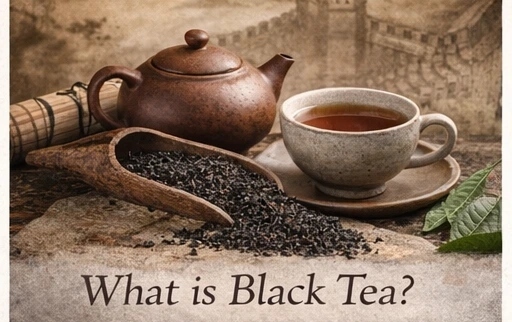
Black tea is a true tea made from the leaves of the Camellia sinensis plant. It’s one of the most widely enjoyed tea styles in the world, recognized for its bold flavor, deep amber color, and naturally higher caffeine content compared with most green or white teas. If you’ve ever had a classic “breakfast tea,” a glass of iced tea at a café, or a robust milk tea, you’ve likely experienced black tea in one form or another.
What sets black tea apart is its full oxidation. After tea leaves are harvested, they go through a controlled process that allows oxygen to interact with the leaf. This changes the leaf’s chemistry and builds the signature flavors people associate with black tea—malty richness, brisk brightness, cocoa-like sweetness, dried-fruit notes, and sometimes smoky depth. Oxidation also transforms the leaf’s color, turning it from green to coppery-brown and eventually a deep, dark hue once dried.
Black tea is incredibly versatile. Some black teas are designed to be strong enough for milk and sugar, while others are delicate and best enjoyed plain, like a fine wine. The same category can include everything from a bright, citrusy Ceylon to a thick, malty Assam to a naturally sweet Chinese Yunnan. Because it can be comforting, energizing, and complex all at once, black tea is often the “everyday tea” people return to—especially when they want a dependable cup with character.
At Serene Tree Apothecary, black tea is more than caffeine. It’s a grounding ritual: heat water, inhale the aroma of the leaf, steep with intention, and let a simple cup create a pause in your day. Whether you’re building a morning routine or replacing an afternoon coffee, black tea can be a calm, consistent companion.
Black Tea vs. Other Tea Types (Quick Comparison)
Because all true teas come from Camellia sinensis, the biggest differences between tea types are how the leaves are processed—especially how much they are oxidized. Here’s a quick, practical way to understand where black tea fits:
- Black tea: fully oxidized; bold flavor; typically medium-to-higher caffeine.
- Oolong tea: partially oxidized; wide range from floral to roasty; caffeine varies.
- Green tea: minimally oxidized; grassy to sweet; generally lower caffeine than black tea.
- White tea: lightly processed; delicate; typically lower caffeine, but can vary by leaf.
- Herbal tea (tisanes): not a true tea; made from herbs/flowers/fruits; naturally caffeine-free unless blended with true tea.
If you like a strong, “tea-forward” flavor, black tea is usually the best starting point. If you want something gentle and light, white tea or certain green teas may suit you better. And if you’re looking for caffeine-free ritual, herbal blends are the go-to.
A Brief History of Black Tea
Black tea’s story is global—shaped by geography, innovation, and the realities of trade. While tea culture began in China, the worldwide popularity of black tea grew largely because it traveled well. Compared with more delicate green teas, oxidized teas were more stable during long journeys, which made them ideal for export.
Origins in China
Many historians trace early black tea to China during the Ming Dynasty (1368–1644). Tea producers discovered that allowing leaves to oxidize created darker teas with deeper flavors. In China, these are commonly referred to as “red teas,” named for the reddish color of the brewed liquid. Famous Chinese black teas like Keemun and Yunnan (Dian Hong) remain benchmarks for smoothness and natural sweetness.
Expansion Through Trade
As European trade routes expanded in the 1600s and 1700s, tea became a coveted commodity. Black tea’s stability made it a preferred export, and it grew into a cultural staple in Britain. Tea houses, afternoon tea rituals, and the “tea break” became embedded in daily life, cementing tea as both a social tradition and a personal comfort.
India, Sri Lanka, and the Rise of Iconic Regions
By the 1800s, demand increased dramatically. Large-scale tea cultivation expanded into India (notably Assam and later Darjeeling) and Sri Lanka (formerly Ceylon). These regions shaped what many people today recognize as classic black tea flavor: malty Assam, floral Darjeeling, and bright, citrusy Ceylon. Kenya also emerged as a major producer, especially for brisk teas used in blends.
How This Created English Breakfast Tea
The idea of a strong “breakfast” blend was born from the desire for a consistent, hearty cup that pairs well with milk and food. That tradition flows directly into English Breakfast Tea today. If you want a deeper history and brewing approach for that blend, read our English Breakfast Tea Guide (update the link to your live URL).

How Black Tea Is Made (Step-by-Step)
Black tea processing is part craft and part science. Small changes in timing, temperature, humidity, and rolling style can dramatically alter the final cup. While techniques vary by region and producer, most black teas follow the same core steps:
1) Plucking (Harvest)
High-quality tea typically starts with careful harvesting. Many premium teas use a “two leaves and a bud” standard, which balances sweetness, aroma, and structure. Younger leaves can offer more complexity and softer texture, while older leaves can brew stronger but may be more coarse.
2) Withering
Fresh leaves contain a lot of moisture. Withering gently reduces that moisture and softens the leaves, making them pliable for rolling. This step also begins subtle aromatic changes that influence the tea’s final fragrance.
3) Rolling (or Cutting)
Rolling breaks the leaf’s cell walls so enzymes and oxygen can interact. Traditional rolling preserves leaf shape and supports nuanced flavor development. More aggressive cutting methods can increase strength and speed of extraction—useful for strong blends, but often less layered.
4) Oxidation
Oxidation is where black tea becomes black tea. The leaf darkens as oxygen drives chemical changes that build robust flavors and create the tea’s signature color. Done well, oxidation produces a cup that is bold without tasting harsh. Done poorly (too long or too hot), it can lead to flatness or excessive bitterness.
5) Firing / Drying
Heat stops oxidation, locks in the leaf’s character, and stabilizes it for storage. Proper drying preserves aroma and helps the tea stay fresh longer. You’ll often notice the difference immediately: well-fired tea smells clear and vivid; poorly dried tea can smell dull or stale.
These steps explain why black teas can taste wildly different even when they’re from the same region. Processing choices shape whether a tea is brisk or malty, smooth or astringent, light-bodied or thick.
Leaf Grades & Processing Styles: Whole Leaf, Broken Leaf, Orthodox & CTC
If you’ve ever wondered why one black tea tastes refined and aromatic while another tastes strong but “one-note,” leaf grade and processing style are often the answer. This isn’t about snobbery—it’s about how the leaf extracts into your cup.
Whole Leaf vs. Broken Leaf
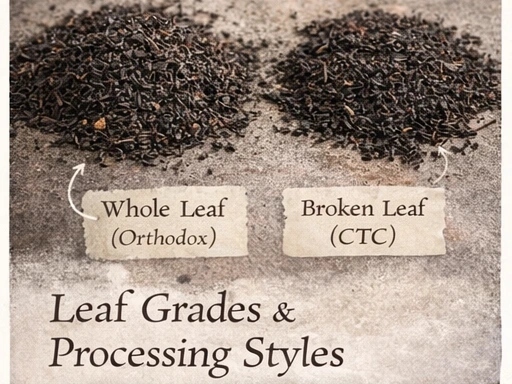
Whole leaf teas contain larger, more intact leaves. Because the leaf structure remains relatively preserved, extraction happens more gradually. That often produces a cup with more aroma, more layered flavor, and less sudden bitterness.
Broken leaf teas are smaller pieces of leaf. They infuse faster and can brew stronger. Many classic “breakfast” profiles rely on broken leaf because it produces a bold cup quickly—especially when milk is involved.
Fannings and dust are very small particles commonly used in tea bags. They brew extremely fast, which can be convenient, but the tradeoff is often a sharper, more astringent cup with fewer aromatic highs.
Orthodox Processing
Orthodox processing refers to more traditional methods (often with mechanical support) that roll the leaf rather than shredding it. Orthodox teas tend to preserve nuance: floral top notes, sweetness, and region-specific character. Many premium loose-leaf black teas are orthodox-processed.
CTC (Crush, Tear, Curl)
CTC is a method designed for consistency, strength, and speed. Leaves are crushed, torn, and curled into small pellets. The result is a strong, brisk cup that stands up to milk and sugar and works well in high-volume settings. CTC teas can be delicious for certain styles (especially milk tea), but they’re typically less complex than well-made orthodox loose leaf.
Why This Matters for Your Brewing
Leaf size affects steep time. Whole leaf often tastes best in the 3–5 minute range with careful measurement, while broken leaf or CTC can become strong quickly and may benefit from shorter steeps or slightly cooler water. Knowing your leaf style helps you get a cup that’s bold without crossing into bitterness.
Types of Black Tea by Origin
Black tea is shaped by terroir—soil, elevation, rainfall, temperature, and local craft. Below are the most important origins and what you can expect from each. This section is also a roadmap for building your own tea preferences: start with one style you love, then branch out.
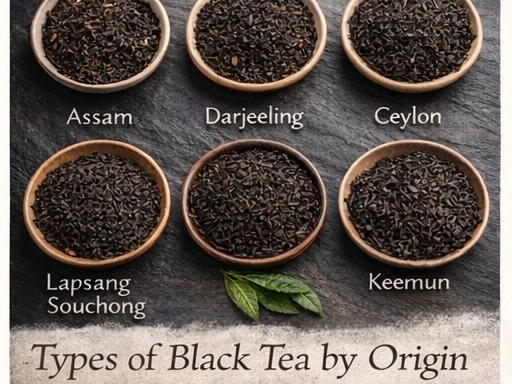
Assam Black Tea (India)
Assam tea comes from the lowlands of northeastern India and is famous for its malty richness and full body. It tends to produce a thick, warming cup that feels “breakfast-ready.” Assam is commonly used in English Breakfast blends and is one of the best black teas for milk because its structure holds up without disappearing.
Typical flavor notes: malt, baked bread, caramelized sweetness, sometimes a gentle raisin-like depth.
Best for: mornings, milk tea, chai-style spice blends, anyone who wants a bold cup without needing to over-steep.
Related product: Assam Black Tea
Ceylon Black Tea (Sri Lanka)
Ceylon black tea is known for being bright and crisp, often with a citrusy edge. Because Sri Lanka has multiple tea-growing regions at different elevations, Ceylon can vary from light and floral to deep and robust. In general, it’s an excellent choice for iced tea because its clean profile stays refreshing even when chilled.
Typical flavor notes: citrus peel, brisk clean finish, light spice, sometimes a honeyed lift.
Best for: iced tea, lemon add-ins, those who prefer clarity and brightness over maltiness.
Related product: Ceylon Black Tea
Darjeeling (India)
Darjeeling is often called the “Champagne of teas,” largely because of its distinctive muscatel character—an aromatic, grape-like note that can feel both fruity and floral. Darjeeling is generally lighter than Assam and is often best enjoyed without milk so you can taste the delicate complexity. Many tea drinkers love Darjeeling as a “thinking tea,” a cup that invites slow attention.
Typical flavor notes: muscat grape, light florals, gentle astringency, sometimes stone fruit.
Best for: afternoons, plain drinking, anyone who wants elegance rather than intensity.
Kenyan Black Tea
Kenya is a major black tea producer and frequently contributes to breakfast blends because it can be brisk, strong, and consistent. Kenyan teas often have a lively, bright punch, and they can make an excellent base for milk tea or lemon-forward iced tea.
Typical flavor notes: brisk, slightly sweet, robust structure, clean finish.
Chinese Black Teas
Chinese black teas are often smoother and naturally sweet, with less of the “brisk snap” found in many Western-style blends. They can feel luxurious and dessert-like even without sweeteners.
- Keemun: soft, wine-like, sometimes lightly smoky; elegant and aromatic.
- Yunnan (Dian Hong): cocoa-like, honeyed sweetness, often with golden tips; round and comforting.
- Lapsang Souchong: pine-smoked; bold and distinctive—either loved immediately or appreciated over time.
Blended “Black Tea”
Some products labeled simply as “Black Tea” are intentionally blended to create a balanced everyday cup. These can be perfect daily drivers: reliable, smooth, and adaptable to milk, honey, or lemon. If you want one tea that works for many moods, an everyday black tea blend is a great starting point.
Related product: Black Tea
How Black Tea Tastes: Flavor Profiles, Astringency & Mouthfeel
“What does black tea taste like?” is one of the most common questions new tea drinkers ask—and the honest answer is: it depends. Black tea can taste brisk and clean, thick and malty, naturally sweet, floral, fruity, or smoky. Understanding a few tasting concepts will help you pick the right tea and brew it well.
Core Flavor Categories
- Malty: rich, bready, warming (common in Assam and many breakfast blends).
- Brisk: crisp, lively, refreshing (common in Ceylon and Kenyan teas).
- Naturally sweet: honey, cocoa, dried fruit (common in many Chinese black teas).
- Floral / fruity: muscatel grape, light flowers (common in Darjeeling).
- Smoky: pine smoke, campfire depth (most famously Lapsang Souchong).
Astringency (That “Dry” Feeling)
Astringency is the drying sensation you can feel on your tongue and cheeks. It often comes from tannins. A little astringency can be pleasant and refreshing, but too much can feel harsh or bitter. If your black tea tastes overly drying, try one of these quick fixes:
- Reduce steep time by 30–60 seconds.
- Use slightly cooler water (about 195–200°F instead of a full boil).
- Use a touch less leaf, especially for broken-leaf teas.
- Try cold brew for a smoother cup with less bite.
Body & Mouthfeel
Body refers to how the tea feels in your mouth. A full-bodied Assam can feel thick and coating, while a Darjeeling may feel light and quick. If you want a “coffee-adjacent” richness, choose malty black teas. If you want a bright, refreshing tea that doesn’t feel heavy, choose brisk styles like Ceylon.
How to Taste Black Tea Like a Pro (Without Being Pretentious)
Try this simple approach: smell the dry leaf, then smell the wet leaf after steeping, then sip and notice (1) sweetness, (2) brightness, (3) bitterness, (4) lingering finish. You don’t need fancy vocabulary—just notice what you like and what you don’t. Over time, you’ll develop a clear preference map that makes buying tea easy and enjoyable.
Caffeine in Black Tea: What to Expect & How to Adjust It
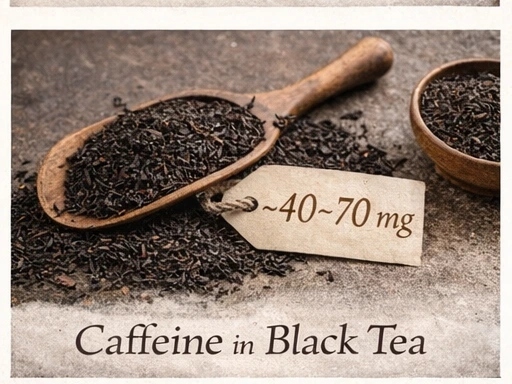
Black tea contains caffeine naturally. While exact amounts vary, many black teas fall into a general range of about 40–70 mg of caffeine per 8 oz cup. That’s usually less than coffee, but enough to feel energizing—especially if you’re sensitive to caffeine or you drink it on an empty stomach.
What Changes Caffeine Levels?
- Leaf size: smaller pieces (broken leaf, CTC, tea bags) extract faster and can deliver caffeine more quickly.
- Steep time: longer steeps generally increase caffeine extraction.
- Water temperature: hotter water extracts faster and more thoroughly.
- Tea quantity: more leaf = more caffeine (and more flavor).
How to Make Black Tea More “Gentle”
If you want the flavor of black tea with a lighter caffeine experience, you have options. Use slightly cooler water, steep for a shorter time, or choose a smoother tea that doesn’t require intensity to taste good (many Chinese black teas fit this well). Cold brew is also excellent: it often tastes naturally sweet and smooth, with less perceived bite.
Why Black Tea Often Feels “Smoother” Than Coffee
Many people find black tea provides steadier energy. One reason is that tea contains L-theanine, an amino acid associated with calm focus. In simple terms, the combination can feel like alertness without the same edgy spike some people get from coffee.
Best Time to Drink Black Tea (Morning to Evening)
Black tea can fit almost any schedule, but timing can improve the experience—especially if you’re using it to support focus, avoid energy crashes, or build a consistent routine.
Morning: Replace or Complement Coffee
If you want a bold start to the day, black tea is a natural fit. Malty Assam and breakfast blends tend to feel satisfying, especially with food. If you’re transitioning away from coffee, consider brewing a stronger cup at first, then gradually adjusting your steep time as your palate adapts.
Midday: Sustain Focus Without the Crash
A cup of black tea around late morning or early afternoon can support steady productivity. Brisk teas like Ceylon can feel bright and refreshing when the day starts to drag, while smoother teas like Yunnan can feel calming and centered.
Late Afternoon: Keep It Light
If you’re sensitive to caffeine, late afternoon is when black tea can start to disrupt sleep. But you don’t have to quit entirely—try cold brew, a shorter steep, or a smaller cup. Another option is to rotate into herbal blends in the evening while keeping black tea as your daytime anchor.

Potential Benefits of Black Tea
Black tea has been enjoyed for centuries as a daily wellness ritual. While it’s not a medical treatment, many people drink black tea because it supports how they want to feel: clear, grounded, and energized. Black tea contains naturally occurring compounds such as polyphenols and flavonoids that are often discussed for their antioxidant properties.
1) Antioxidant Support
Black tea contains polyphenols that help protect the tea plant—and those compounds are part of why black tea is often associated with antioxidant support in the diet. Antioxidants are commonly discussed in relation to oxidative stress and overall wellness.
2) Calm Focus (Caffeine + L-Theanine)
Many tea drinkers love black tea because it can feel like a more balanced form of energy. Caffeine supports alertness, and L-theanine is often associated with a calmer, smoother focus. This pairing is one reason black tea can be a great “workday ritual” beverage.
3) Digestive Comfort (Traditional Use)
Across many cultures, black tea has traditionally been enjoyed after meals. Some people find it settles well and complements rich foods. If you notice black tea feels too strong on an empty stomach, try it with breakfast or after lunch.
4) Heart-Healthy Lifestyle Support
Black tea is often discussed in the context of heart-healthy habits when consumed as part of a balanced lifestyle. If you’re choosing tea over high-sugar energy drinks or excessive coffee, black tea can be a simple, supportive swap.
Note: This information is for educational purposes only and is not intended to diagnose, treat, cure, or prevent any disease.
How to Brew the Perfect Cup of Black Tea
Brewing black tea is simple, but small details make a big difference. If your tea ever tastes bitter, flat, or overly harsh, it’s usually a brewing variable—not the tea itself. Here’s a reliable foundation you can use for most black teas.
Loose-Leaf vs. Tea Bags
Loose-leaf tea allows the leaf to expand fully, which improves aroma and produces a more balanced cup. Tea bags (especially those filled with fannings or dust) brew very fast and can become astringent quickly. If you want a smoother, more nuanced experience, loose leaf is the easiest upgrade you can make.
Basic Brewing Ratio
- Tea amount: 1 teaspoon per 8 oz of water (or about 2–3 grams).
- Water temperature: 200–212°F (near boiling) for most black teas.
- Steep time: 3–5 minutes depending on the tea and your taste.
How to Brew for Your Preference
If you like a lighter cup, use the same tea amount but steep closer to 3 minutes. If you want a stronger cup, you can extend toward 5 minutes, but watch for bitterness. Often the best way to increase strength is to add a little more leaf rather than steeping much longer.
Water Quality Matters More Than People Think
Tea is mostly water, so the water’s flavor becomes part of your cup. If your tap water is heavily chlorinated or very mineral-heavy, your tea may taste dull or harsh. Filtered water can noticeably improve clarity and sweetness.
Multiple Infusions (Yes, Even for Black Tea)
Many high-quality loose-leaf black teas can be infused more than once. Try steeping your first cup for 3 minutes, then a second infusion for 4 minutes. You may notice different notes show up—sometimes a sweeter finish or more floral aroma in the second cup.
Common Black Tea Mistakes (and How to Fix Them)
If your black tea isn’t tasting the way you want, one of these is usually the reason. The good news: every fix is easy.
Mistake 1: Over-Steeping
Over-steeping can pull too many tannins, creating bitterness and a dry mouthfeel. Start with 3–4 minutes and adjust in small increments.
Mistake 2: Using Boiling Water for Every Tea
While many black teas handle near-boiling water well, some more delicate black teas taste better at 195–200°F. If your tea tastes harsh, try slightly cooler water before changing anything else.
Mistake 3: Too Much Tea Leaf
More leaf can be great, but it can also overpower a cup quickly—especially with broken-leaf teas. If your tea tastes “heavy” or bitter, reduce the leaf by about 10–15% and keep the steep time the same.
Mistake 4: Storing Tea Near Heat, Light, or Odors
Tea absorbs surrounding aromas. If it sits near coffee, spices, or cooking smells, it can lose its clean character. Store in an airtight container in a cool, dark place.
Mistake 5: Forgetting to Preheat Your Mug
This is a small but surprisingly useful step. Pour a little hot water into your mug, swirl, and discard. This stabilizes brew temperature and can improve extraction—especially in colder months.
Milk, Sweeteners & Add-Ins: What Works Best
Black tea can be enjoyed plain, but it also plays well with additions. The key is matching the tea style to the add-in. A malty Assam can take milk easily; a delicate Darjeeling may taste muted if milk is added.
Milk & Cream Options
- Dairy milk: classic for breakfast blends; softens tannins and adds richness.
- Oat milk: creamy and naturally sweet; pairs well with malty teas.
- Almond milk: lighter; best with brisk teas or lightly steeped cups.
Sweeteners
- Honey: adds floral sweetness and warmth; great with Assam and spiced blends.
- Raw sugar: clean sweetness for classic milk tea.
- Maple: cozy, caramel-like; best in small amounts with malty black teas.
Lemon & Citrus
Lemon pairs beautifully with brisk, bright teas like Ceylon and many iced teas. If you add lemon to a milk tea, it can curdle dairy—so choose one or the other.
Spices (Chai-Style)
Black tea is a perfect backbone for warming spices like cinnamon, cardamom, clove, ginger, and black pepper. For a simple home blend, steep your black tea as usual, then add a small pinch of spice or a cinnamon stick while steeping.
Black Tea & Food Pairings
Pairing black tea with food can make both taste better. The tannins and body of black tea help cut through rich foods, while sweetness and aroma can complement desserts.
Breakfast Pairings
- Eggs, toast, breakfast sandwiches
- Oatmeal, granola, yogurt
- Butter pastries, scones, muffins
For classic breakfast foods, Assam and English Breakfast-style blends are almost always the best match—especially if you enjoy milk in your tea.
Afternoon Pairings
- Shortbread, cookies, tea cakes
- Dark chocolate, dried fruit, nuts
- Light sandwiches or salads (with brisk teas)
Dessert Pairings
Naturally sweet Chinese black teas can taste amazing with chocolate or caramel desserts because they echo cocoa and honey notes. If you’re serving a rich dessert, brew the tea slightly stronger so it doesn’t get overshadowed.
Iced Black Tea & Cold Brew
Black tea is one of the best teas for iced drinks because it keeps its structure when chilled. The secret to great iced tea is avoiding bitterness, which is where cold brew really shines.
Cold Brew Method (Smooth & Low-Bite)
- Use 1–2 tablespoons loose-leaf black tea for 32 oz water (adjust to taste).
- Add to a jar or pitcher with cold, filtered water.
- Refrigerate for 8–12 hours.
- Strain and serve over ice.
Cold brew often tastes naturally sweeter and less astringent than hot-brewed tea poured over ice.
Hot Brew + Ice (Fast Iced Tea)
If you want iced tea quickly, brew a “double strength” hot cup (same leaf, half the water), then pour over a full glass of ice. This method works, but it can taste sharper than cold brew—so keep steep time moderate.
Simple Flavor Ideas
- Ceylon + lemon slice
- Assam + a touch of honey
- Black tea + cinnamon stick (steeped hot, then chilled)
How to Choose High-Quality Black Tea
Buying black tea is easier when you know what quality looks and smells like. High-quality tea doesn’t need heavy flavorings to taste interesting; it has natural aroma and clarity.
What to Look For
- Fresh aroma: the dry leaf should smell vivid, not dusty or flat.
- Leaf integrity: whole or larger leaf pieces usually signal better aroma and nuance.
- Clear origin: labels that specify region (Assam, Ceylon, etc.) help you predict flavor.
- Balanced character: bold without harsh bitterness; bright without tasting sour.
Signs a Tea Might Be Low Quality
- It smells like cardboard or has almost no aroma.
- It’s mostly powdery dust (especially if sold as “premium”).
- It tastes bitter quickly even at short steep times.
Loose Leaf Is the Upgrade That Matters
If you’re moving from tea bags to loose leaf, you’ll usually notice improved aroma first. Then you’ll notice the finish: loose-leaf tea tends to linger in a pleasant way rather than leaving a harsh aftertaste.
How to Store Black Tea Properly
Black tea is relatively stable, but it still loses freshness over time. Proper storage protects aroma and prevents the tea from absorbing odors.
- Store in an airtight container (ideally opaque).
- Keep away from light, heat, and moisture.
- Avoid storing near coffee, spices, or cooking aromas.
If stored well, black tea can remain enjoyable for many months. If it begins to taste flat, it may still be safe to drink, but its peak flavor has faded.
Sustainability & Ethical Sourcing
Tea is deeply connected to land, climate, and community. When you choose thoughtfully sourced tea, you’re supporting the ecosystems and people who make quality possible.
While sourcing standards vary by producer and region, ethical sourcing often includes responsible farming practices, fair labor considerations, and careful handling to preserve quality. Smaller-batch tea production can also reduce over-processing and prioritize leaf integrity.
At Serene Tree Apothecary, we value tea that is selected with intention: clean, flavorful, and aligned with a slower, more mindful way of living. When possible, we prioritize quality, transparency, and a supply chain that respects the craft.
Making Black Tea a Daily Ritual
The “ultimate” black tea guide isn’t just about facts. It’s about building a relationship with a simple daily practice. Tea can be a reset button: a short moment to step away from noise, re-center, and return to what matters.
Here are a few ways to turn black tea into a ritual you’ll actually keep:
- Choose one daily tea: a dependable black tea you genuinely enjoy.
- Use one consistent vessel: a mug or teapot you love using.
- Pick a time anchor: start of work, post-lunch reset, or late-afternoon wind-down.
- Make it sensory: smell the leaf, notice the color, taste slowly for the first sip.
Over time, your ritual becomes effortless. And when your day feels chaotic, that small habit can become a grounding point you can rely on.
Black Tea FAQs
Is black tea stronger than coffee?
Black tea usually contains less caffeine than coffee, but it can feel strongly energizing—especially if brewed robustly or consumed quickly. Many people find tea energy steadier than coffee because tea naturally contains L-theanine alongside caffeine.
Can you drink black tea on an empty stomach?
Some people can, but others notice mild stomach discomfort because black tea can be astringent. If that happens, try drinking it with breakfast or shortening the steep time to reduce bite.
Does black tea go bad?
Black tea doesn’t spoil quickly like fresh food, but it can lose flavor and aroma over time. If it tastes flat or smells dull, it’s likely past its peak—even if it’s still technically drinkable.
Is black tea acidic?
Black tea is mildly acidic. Many people find it gentler than coffee, but sensitivity varies. If acidity is a concern, try a shorter steep time, avoid drinking on an empty stomach, or choose a smoother tea style.
How many cups of black tea can you drink per day?
Many people enjoy 2–4 cups per day as part of a balanced lifestyle. Your ideal amount depends on caffeine sensitivity, total daily caffeine intake, and how late in the day you drink it.
Does black tea stain teeth?
Black tea contains tannins that can contribute to staining over time, similar to coffee or red wine. Drinking water after tea, rinsing your mouth, or brushing later can help reduce staining.
Why does my black tea taste bitter?
Bitterness usually comes from over-steeping, too much tea leaf, or water that is too hot for that particular tea. Reduce steep time first, then adjust leaf amount, then try slightly cooler water if needed.
Can I re-steep black tea?
Yes—many loose-leaf black teas can be re-steeped. The second infusion can be smoother and sometimes sweeter. Increase steep time slightly for the second cup.
Explore Black Tea at Serene Tree Apothecary
If you’re ready to experience high-quality loose-leaf black tea, explore our curated selection below. These links are ideal for internal linking from this guide to help shoppers move from learning to tasting:
Related reading: English Breakfast Tea Guide