

Posted by Bill Brink on Dec 17th 2025
Types of Black Tea: Ultimate Guide to Origins & Brewing
☕ Rooted in Tea Ritual
The Ultimate Black Tea Guide
Last updated: December 18, 2025
Black tea is bold, comforting, energizing, and deeply versatile. Learn what black tea is, how it is made, how it tastes, how much caffeine to expect, how to brew it, and how to choose the right loose-leaf black tea for your daily ritual.

✿ What You’ll Learn
A complete guide to black tea, from leaf to cup.
Black tea can be simple and everyday, or layered and complex. Use this guide to understand origin, oxidation, caffeine, flavor, brewing, storage, iced tea, food pairings, and daily ritual.
Fully Oxidized Tea
Black tea gets its deep color and bold flavor from full oxidation.
Morning Energy
Black tea naturally contains caffeine and is often enjoyed as a coffee alternative.
Rich Flavor Range
Explore malty, brisk, honeyed, floral, fruity, and smoky black tea profiles.
Everyday Ritual
A dependable cup of black tea can become a calm pause in your day.
☘ Tea Basics
What Is Black Tea?
Black tea is a true tea made from the leaves of the Camellia sinensis plant. It is one of the most widely enjoyed tea styles in the world, recognized for its bold flavor, deep amber color, and naturally higher caffeine content compared with many green or white teas.
What sets black tea apart is full oxidation. This controlled process changes the leaf’s chemistry and creates signature notes such as malty richness, brisk brightness, cocoa-like sweetness, dried fruit, and sometimes smoky depth.
At Serene Tree Apothecary, black tea is more than caffeine. It is a grounding ritual: heat water, inhale the aroma of the leaf, steep with intention, and let a simple cup create a pause in your day.
A deeper cup with more body and color.
Enjoy plain, with milk, with honey, or iced.
A steady daytime tea for focus and routine.
A simple ritual for mornings and resets.
◇ Tea Comparison
Black tea vs. other tea types.
All true teas come from Camellia sinensis. The difference is how the leaves are processed, especially how much they are oxidized.
| Tea Type | Processing | Flavor | Caffeine |
|---|---|---|---|
| Black Tea | Fully oxidized | Bold, malty, brisk, rich | Medium to higher |
| Oolong Tea | Partially oxidized | Floral, roasty, layered | Varies |
| Green Tea | Minimally oxidized | Grassy, fresh, sweet | Usually lower than black tea |
| White Tea | Lightly processed | Delicate, soft, subtle | Generally lower, varies by leaf |
| Herbal Tea | Not true tea | Herbal, floral, fruity, spiced | Naturally caffeine-free unless blended with true tea |
Global Tea Story
A Brief History of Black Tea
Black tea’s story is global, shaped by geography, innovation, and trade. Tea culture began in China, but black tea’s worldwide popularity grew because oxidized teas traveled well and held their character during long journeys.
In China, black teas are often called “red teas,” named for the reddish color of the brewed liquid. Over time, demand helped tea cultivation expand into India, Sri Lanka, Kenya, and beyond, creating iconic profiles such as malty Assam, floral Darjeeling, and bright Ceylon.
The idea of a strong breakfast blend was born from the desire for a consistent, hearty cup that pairs well with milk and food. That tradition flows directly into English Breakfast Tea today.
Leaf to Cup
How Black Tea Is Made
Black tea processing is part craft and part science. Small changes in timing, temperature, humidity, and rolling style can dramatically change the final cup.

Careful harvesting starts the process.
Leaves soften as moisture gently reduces.
Leaf cells open so enzymes and oxygen interact.
The leaf darkens and bold flavor develops.
Heat stops oxidation and stabilizes the tea.
Leaf Grade & Style
Whole Leaf, Broken Leaf, Orthodox & CTC
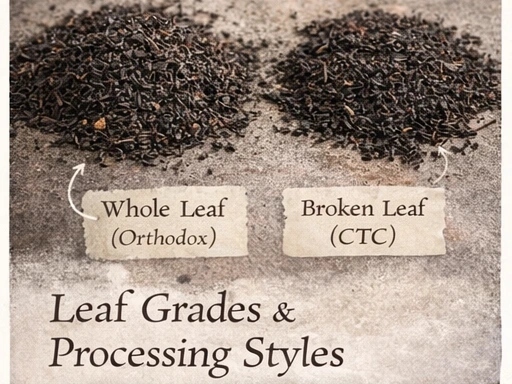
- Whole leaf: larger leaves that extract gradually and often taste more layered.
- Broken leaf: smaller pieces that brew stronger and faster.
- Fannings and dust: very small particles commonly used in tea bags that brew quickly and can taste sharper.
- Orthodox processing: traditional rolling methods that preserve nuance and aroma.
- CTC: crush, tear, curl processing for brisk, strong, consistent tea often used in milk tea or breakfast blends.
Tea Origins
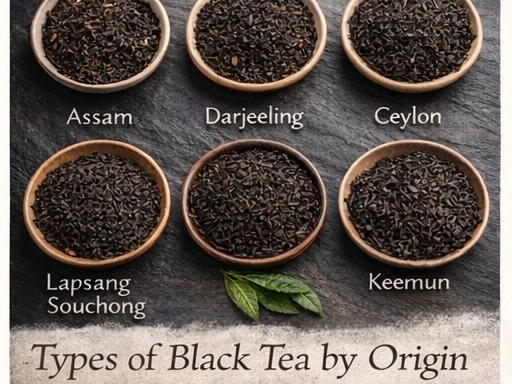
Types of black tea by origin.
Black tea is shaped by terroir: soil, elevation, rainfall, temperature, and local craft. Start with one style you love, then branch out.
India
Assam Black Tea
Assam tea is known for malty richness and full body. It is a classic choice for mornings, milk tea, and breakfast-style blends.
Malt, baked bread, caramelized sweetness, raisin-like depth.
Sri Lanka
Ceylon Black Tea
Ceylon is known for a bright, crisp profile that can feel refreshing hot or iced.
Citrus peel, brisk finish, light spice, honeyed lift.
India
Darjeeling
Darjeeling is lighter and more aromatic, often loved for its muscatel, grape-like, floral character.
Muscat grape, light florals, gentle astringency, stone fruit.
China
Chinese Black Teas
Chinese black teas are often smoother, naturally sweet, and less brisk than many Western breakfast-style blends.
Cocoa, honey, wine-like sweetness, resin, soft smoke.
Classic Blend
English Breakfast Tea
A hearty breakfast blend designed for a consistent, robust cup that pairs beautifully with milk and food.
Morning routines, milk tea, breakfast pairings, and classic tea drinkers.
Everyday Cup
Traditional Organic Black Tea
If you want one dependable black tea for many moods, a balanced everyday black tea is a beautiful place to start.
Flavor Profile
How Black Tea Tastes
Black tea can taste brisk and clean, thick and malty, naturally sweet, floral, fruity, or smoky. Understanding a few tasting concepts will help you choose the right tea and brew it well.
Taste Better
Astringency and Mouthfeel
Astringency is the dry sensation tea can leave on your tongue and cheeks. A little can feel refreshing, but too much can taste harsh.
- Reduce steep time by 30–60 seconds.
- Use slightly cooler water for delicate black teas.
- Use a little less leaf, especially with broken-leaf tea.
- Try cold brew for a smoother, lower-bite cup.
Caffeine Guide
Caffeine in Black Tea
Black tea naturally contains caffeine. Many black teas fall around 40–70 mg of caffeine per 8 oz cup, depending on leaf size, amount used, steep time, and water temperature.

Broken leaf and CTC extract faster than whole leaf.
Longer steeps generally extract more caffeine and strength.
Hotter water extracts more quickly.
More leaf means more flavor and more caffeine.
Daily Wellness
Best time to drink black tea.
Morning
Start with Assam, English Breakfast, or organic black tea when you want a bold cup with breakfast.
Midday
Use black tea as a late-morning or early-afternoon focus ritual.
Late Afternoon
Keep it lighter if caffeine affects your sleep, or rotate into herbal blends later in the day.

Potential Benefits
Why people love black tea.
Black tea is not a medical treatment, but it has been enjoyed for centuries as a daily wellness ritual. Many people drink black tea because it supports how they want to feel: clear, grounded, and energized.
Black tea contains naturally occurring polyphenols and flavonoids.
Caffeine plus L-theanine makes black tea a favorite workday beverage.
Many people enjoy black tea with breakfast or after meals.
Black tea can be a simple alternative to sugary drinks or excessive coffee.
This information is for educational purposes only and is not intended to diagnose, treat, cure, or prevent any disease.
Brewing Guide
How to Brew the Perfect Cup of Black Tea
Brewing black tea is simple, but small details make a big difference. If your tea tastes bitter, flat, or overly harsh, it is usually a brewing variable, not the tea itself.
1 tsp per 8 oz
Use about 1 teaspoon or 2–3 grams of loose-leaf black tea.
200–212°F
Most black teas brew well near boiling, though delicate teas may prefer slightly cooler water.
3–5 Minutes
Steep closer to 3 minutes for lighter cups and 5 minutes for stronger cups.
Filtered Water
Water quality affects clarity, sweetness, and aroma.
Better Brewing
Common Black Tea Mistakes
- Over-steeping: start with 3–4 minutes and adjust slowly.
- Using boiling water for every tea: delicate black teas may taste better at 195–200°F.
- Using too much leaf: reduce the leaf amount if the cup tastes heavy or bitter.
- Storing tea near heat, light, or odors: keep it sealed in a cool, dark place.
- Skipping the mug preheat: warm your mug first for steadier extraction.
Customize Your Cup
Milk, Sweeteners & Add-Ins
Dairy milk, oat milk, and almond milk work best with bold or malty teas.
Honey, raw sugar, and maple can soften tannins and add warmth.
Lemon pairs beautifully with brisk teas like Ceylon, but avoid mixing lemon with dairy milk.
Cinnamon, cardamom, clove, ginger, and black pepper pair naturally with black tea.
Tea Pairings
Black Tea & Food Pairings
Eggs, toast, oatmeal, pastries, scones, muffins, and breakfast sandwiches.
Shortbread, cookies, tea cakes, nuts, dried fruit, or light sandwiches.
Chocolate, caramel, and baked desserts pair beautifully with sweet or malty black teas.
Cold Brew
Iced Black Tea & Cold Brew
Black tea is one of the best teas for iced drinks because it holds its structure when chilled. Cold brew is especially smooth and lower in perceived bitterness.
- Use 1–2 tablespoons loose-leaf black tea for 32 oz cold filtered water.
- Refrigerate for 8–12 hours.
- Strain and serve over ice.
- Try Ceylon with lemon, Assam with honey, or black tea with cinnamon.
Choose Better Tea
How to choose, store, and enjoy black tea.
Choose Quality
Look for fresh aroma, leaf integrity, clear origin, and balanced flavor without harsh bitterness.
Store Properly
Keep black tea in an airtight container away from light, heat, moisture, coffee, and spices.
Source Thoughtfully
Tea is connected to land, climate, craft, and community. Choose tea selected with care.
Make It a Ritual
Choose one tea, one vessel, one time anchor, and enjoy the first sip slowly.
Shop Black Tea
Explore black tea at Serene Tree Apothecary.
Ready to experience high-quality loose-leaf black tea? Start with one of these customer favorites.
Everyday Classic
Traditional Organic Black Tea
A balanced daily black tea for classic sipping.
Shop NowMalty & Bold
Assam Black Tea
A full-bodied tea for mornings and milk tea.
Shop NowBright & Crisp
Ceylon Black Tea
A refreshing choice for hot tea or iced tea.
Shop NowBreakfast Favorite
English Breakfast Tea
A hearty cup that pairs well with milk and breakfast.
Shop NowHelpful Answers
Black Tea FAQs
Is black tea stronger than coffee?
Black tea usually contains less caffeine than coffee, but it can still feel energizing, especially when brewed robustly. Many people find tea energy steadier because tea naturally contains L-theanine alongside caffeine.
Can you drink black tea on an empty stomach?
Some people can, but others may notice mild stomach discomfort because black tea can be astringent. If that happens, try drinking it with breakfast or shortening the steep time.
Does black tea go bad?
Black tea does not spoil quickly like fresh food, but it can lose flavor and aroma over time. If it tastes flat or smells dull, it is likely past peak freshness.
Is black tea acidic?
Black tea is mildly acidic. If acidity is a concern, try a shorter steep time, avoid drinking it on an empty stomach, or choose a smoother black tea style.
How many cups of black tea can you drink per day?
Many people enjoy 2–4 cups per day as part of a balanced lifestyle. Your ideal amount depends on caffeine sensitivity, total daily caffeine intake, and timing.
Why does my black tea taste bitter?
Bitterness usually comes from over-steeping, too much tea leaf, or water that is too hot for that particular tea. Reduce steep time first, then adjust leaf amount or water temperature.
Can I re-steep black tea?
Yes. Many loose-leaf black teas can be re-steeped. Increase steep time slightly for the second infusion to maintain flavor.
Start Your Black Tea Ritual
Find the black tea that fits your day.
Whether you love malty Assam, bright Ceylon, classic English Breakfast, or a dependable organic black tea, Serene Tree Apothecary offers loose-leaf black teas for mornings, afternoons, and mindful pauses.
```