
Posted by Marco Graham on May 22nd 2026
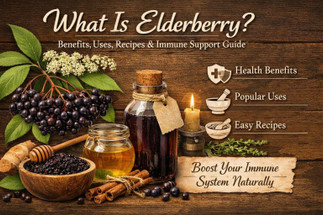
What Is Elderberry? Benefits, Uses, Recipes and Immune Support Guide
✿ Rooted in Nature
What Is Elderberry? Benefits, Uses, Recipes and Immune Support Guide
Elderberry has become one of the most loved botanicals for seasonal wellness rituals. This guide covers elderberry benefits, syrup, tea, gummies, juice, jam, recipes, safety notes, and simple ways to use elderberry every day.
✿ Why Elderberry?
Clean botanical wellness for simple daily rituals.
There has been an eruption of elderberry popularity, and it is easy to see why. This deep purple berry has a long tradition of seasonal wellness use.
Immune Rituals
Elderberry is widely loved for seasonal immune-support routines.
Clean Ingredients
Classic recipes use elderberries, water, raw honey, ginger, and cinnamon.
Small Rituals
Add elderberry to tea, juice, smoothies, oatmeal, yogurt, or sparkling water.
Traditional Roots
The elderberry plant has been used in traditional botanical preparations for generations.
☘ Hand Selected Botanical Blend
Elderberry Syrup
Elderberry syrup is one of the most popular elderberry preparations. It is commonly made by simmering dark purple elderberries in water, then mixing the strained liquid with raw honey and warming spices such as ginger, cinnamon, or cloves.
A favorite during seasonal wellness routines.
Elderberries naturally contain plant compounds and anthocyanins.
Traditionally used during times of seasonal discomfort.
Easy to add to tea, juice, smoothies, yogurt, and oatmeal.
◇ Choose Your Ritual
Explore elderberry by intention.
Elderberry Syrup
Classic, concentrated, versatile, and easy to add to daily wellness routines.
Gummies vs. Syrup
Compare convenience, taste, serving flexibility, and family-friendly options.
Juice & Tea
Gentle sipping rituals for hydration, warmth, and seasonal comfort.
Jam & Recipes
Turn elderberry into jam, lemonade, gummies, vinegar, and more.
Botanical Basics
What Is Elderberry?
The elderberry plant gets its name from the elder tree or shrub, commonly identified as Sambucus nigra. The plant grows clusters of deep purple-black berries that have been used in traditional wellness preparations for centuries.
Today, elderberry is found in syrups, gummies, teas, juices, extracts, jams, and homemade recipes.
Wellness Support
What Does Elderberry Do in the Body?
Elderberry is most commonly used in seasonal immune wellness routines. Elderberries naturally contain antioxidant plant compounds, including flavonoids and anthocyanins, which contribute to their rich purple color.
Many people use elderberry syrup, elderberry extract, or elderberry tea when seasonal stress begins, while others enjoy it as a simple everyday botanical ritual.
Clean Ingredients
Choosing a Quality Elderberry Syrup
- Made with real elderberries, preferably Sambucus nigra.
- Free from artificial colors and unnecessary preservatives.
- Sweetened with raw honey or natural ingredients when possible.
- Small-batch products are often best for freshness and quality control.
- Organic and ethically sourced ingredients can enhance the finished syrup.
Small Rituals
How to Use Elderberry Syrup
Take as directed for a simple morning wellness ritual.
Add to herbal tea for a cozy seasonal drink.
Mix into juice, lemonade, or sparkling water.
Pour over yogurt, oatmeal, pancakes, or smoothies.
Homemade Recipes
Make elderberry at home.
Syrup Recipe
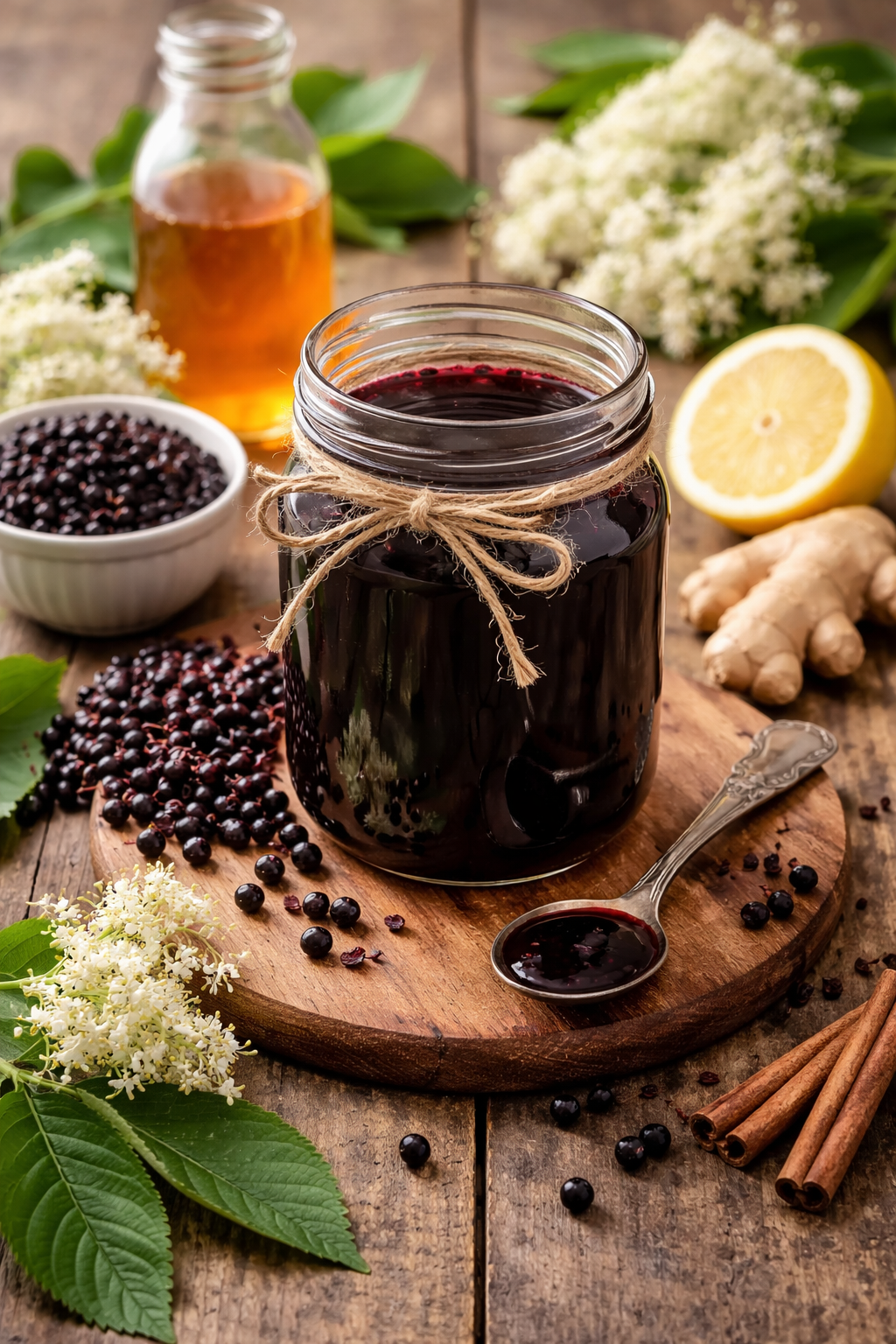
Homemade Elderberry Syrup
Prep: 5 min Cook: 45–60 min Yield: 3 cups
- 1 cup dried elderberries
- 4 cups water
- 1 tbsp fresh ginger, optional
- 1 tsp cinnamon
- 1 cup raw honey
- Simmer elderberries, water, and spices for 45–60 minutes.
- Mash berries and strain liquid.
- Let cool slightly, then stir in honey.
- Store in a glass jar in the refrigerator for up to 2 months.
Jam Recipe
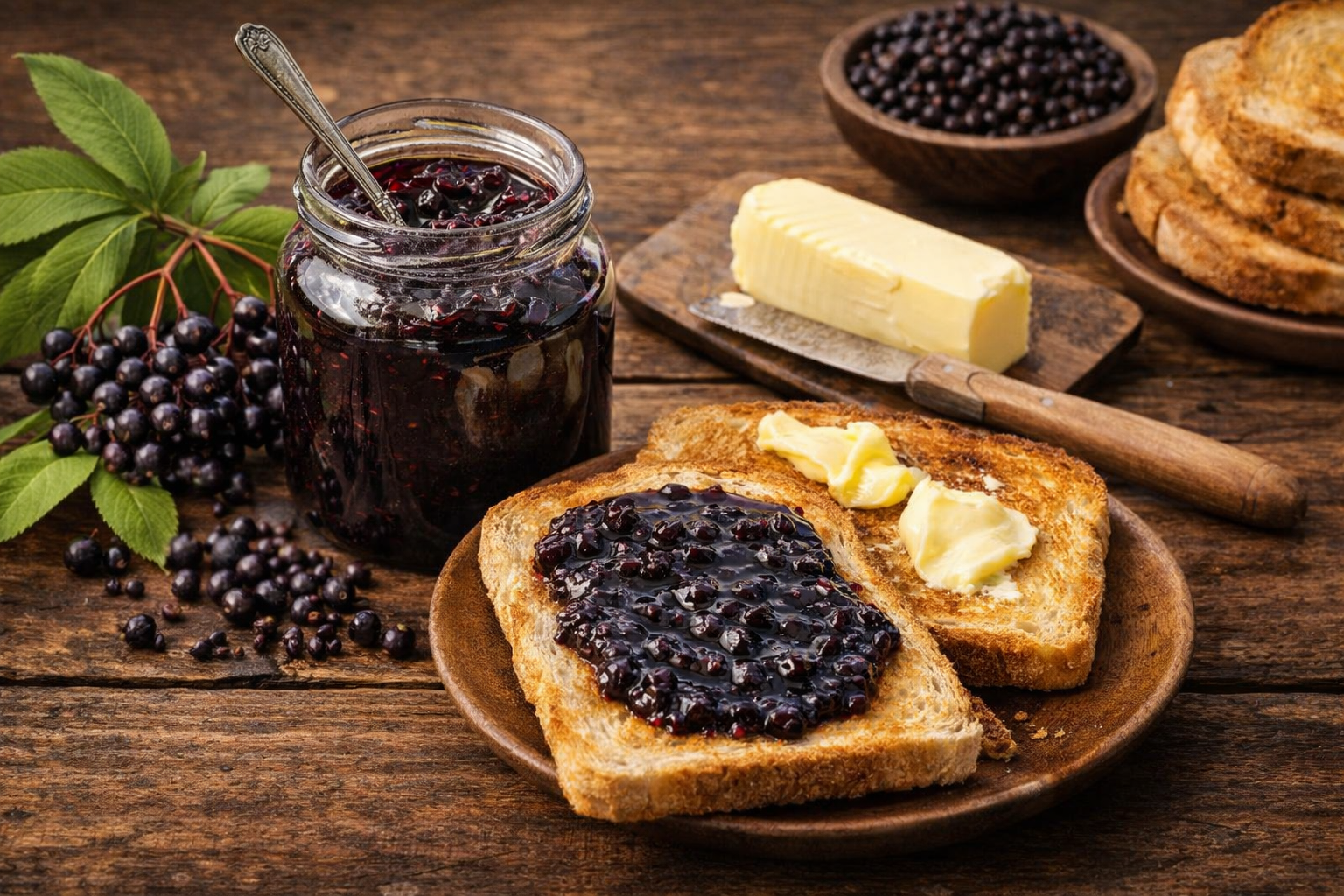
Homemade Elderberry Jam
Prep: 15 min Cook: 30 min Yield: 4 half-pint jars
- 4 cups cooked elderberries
- 2 cups sugar or honey
- 2 tbsp lemon juice
- 1 packet pectin
- Simmer berries and sweetener until thick.
- Add lemon juice and pectin.
- Cook until jam consistency forms.
- Transfer to clean glass jars and store properly.
Elderberry Gummies vs. Elderberry Syrup
Elderberry gummies are popular for kids, travel, and anyone who dislikes liquid supplements. Elderberry syrup is a more classic option for people who want a customizable liquid preparation.
- Elderberry gummies: convenient, travel-friendly, measured servings, and often easy for kids.
- Elderberry syrup: flexible serving size, richer flavor, and easy to mix into drinks or food.
Elderberry Juice and Elderberry Tea
Elderberry Juice Benefits
Elderberry juice is a thinner, less sweet option compared to syrup. It can be used as a wellness tonic, mixed with other juices, or added to fermented drinks.
Elderberry Tea Benefits
Elderberry tea offers gentle seasonal wellness support, hydration, and soothing warmth.
What Does Elderberry Taste Like?
Raw elderberries are bitter and slightly astringent, but when cooked, they offer a rich, deep flavor often described as tart, earthy, and similar to blackberry with a subtle floral undertone.
Tart Earthy Deep Berry Floral
Elderberry Recipes Beyond Syrup
- Elderberry lemonade
- Elderberry gummies
- Elderberry vinegar
- Elderberry glaze for meats
- Elderberry tea blends
Elderberry Plants and Elderberry Trees
The elderberry plant grows as a shrub or small elderberry tree, often preferring moist soil and plenty of room to spread.
Growing Tips
- Prefers full sun to partial shade.
- Often grows best in USDA zones 3–9.
- Usually produces fruit within 2–3 years.
- Berries should always be cooked before use.
Elderberry Side Effects and Safety
While elderberry is commonly used in wellness routines, preparation matters. Raw elderberries, leaves, stems, and other parts of the plant should not be consumed.
Potential Side Effects
- Raw elderberries may cause nausea or digestive upset.
- Overuse may cause stomach discomfort in some people.
- Raw elderberry is not recommended for children.
- People who are pregnant, nursing, taking medication, or managing a medical condition should ask a healthcare professional before use.
Is Elderberry Good for You Long Term?
Elderberry can be a helpful wellness companion when it is properly prepared and used as directed. Many people enjoy elderberry seasonally, especially during cold and flu season, while others keep it as part of a year-round botanical routine.
Helpful Answers
Frequently Asked Questions About Elderberry
What is elderberry good for?
Elderberry is best known for immune system support, antioxidant-rich wellness routines, and seasonal wellness.
What does elderberry do for immunity?
Elderberry is commonly used in seasonal wellness routines and contains plant compounds that contribute to its antioxidant profile.
Are there elderberry side effects?
Side effects are more likely when elderberries are eaten raw or improperly prepared. Always use cooked berries or trusted commercial elderberry products.
What is the best elderberry syrup recipe?
A traditional elderberry syrup recipe uses dried elderberries, water, raw honey, and warming spices such as cinnamon, ginger, or cloves.
Final Thoughts
Why Elderberry Deserves a Place in Your Wellness Routine
From elderberry syrup benefits to flavorful elderberry jam recipes, this deep purple berry offers many ways to build a botanical wellness ritual.