
Posted by Marco Graham on Dec 19th 2025
Green Tea Guide: Wellness, Culture, Tips, History, Brewing Methods, Recipes & Craft
Green Tea Guide: Wellness, Culture, Tips, History, Brewing Methods, Recipes & Craft

Green tea is entering a revolutionary era. It’s not just a "health drink" that starts in a paper bag or glass container, green tea is staking a claim in culture, along with wine and specialty coffees.
At Serene Tree Apothecary, we see the culture shift towards green tea and its many wellness secrets. We are going to talk about the origin of the green tea leaf, its method of harvest, and the sensory experience in that sip. Here is everything you need to know about the state of green tea today, along with tips and answers to many questions.
Where did Green Tea Come From?
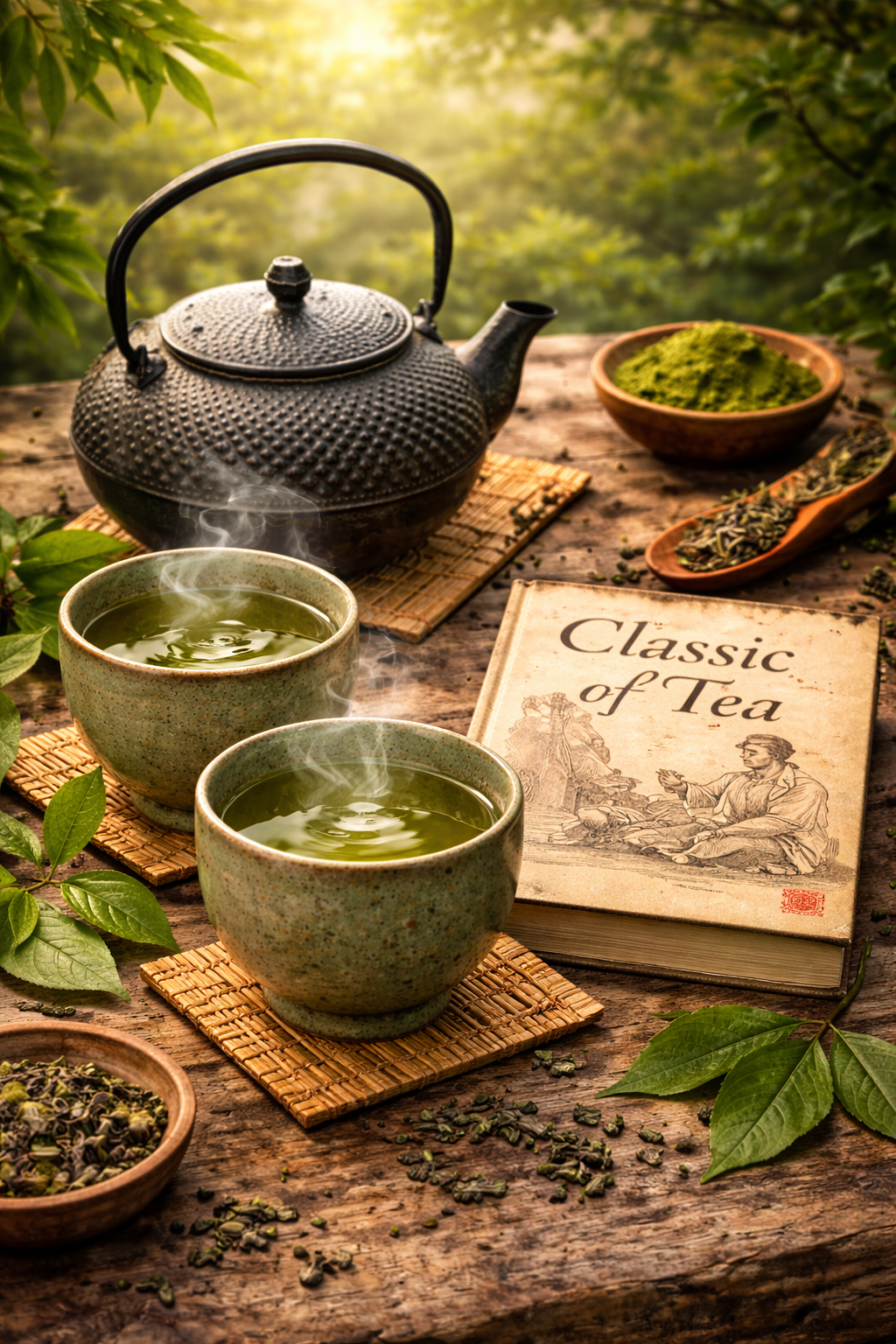
From its humble beginnings in ancient China to the quiet moments we share over a warm cup today, the story of green tea is more than just history; it’s one with culture, curiosity, and quiet reflection. At its heart, it's a reminder that every green tea leaf carries a story worth sipping.
The History of Loose Leaf Green Tea
Long before tea took its place in quiet mornings and its versatility, it grew in the forests of Southwest China. Stories tell of the discovery of tea leaves in ancient China.
After the discovery, green tea evolved alongside human culture. The Chinese developed the steaming process, which preserved the color of the leaves and distinguished green tea from the darker, more oxidized teas that would come later.
During this time, the Classic of Tea came about, giving us a detailed guide that elevated tea from a simple herb to an artful practice. Everything from the choice of water to the pots used in brewing was established, teaching us that reverence for tea is as important as the leaf itself.
What is Green Tea Made of? The Green Tea Flavor Profile
Most tea enthusiasts are looking beyond a simple label. While coffee lovers seek out Ethiopian or Colombian beans, tea drinkers are now exploring "Terroir", which creates unique flavors where the tea is grown in specific soils and climates. Green tea is made from the leaves of the Camellia Sinensis plant, and these changes in soil and climate provide different flavors and tastes to the green tea created.
What Does Green Tea Taste Like?
Grassy: Japanese varieties like our Organic Green Tea continue to dominate with their vibrant, oceanic, and "grassy" notes.
Nutty & Toasted: Chinese pan-fired methods, found in our robust Gunpowder Green Tea, offer a nutty, chestnut finish that is a sophisticated alternative to morning coffee.
Flowery Infusions: Florals blend green tea with other herbs like those in our Enlightened Trio Blend.
Green Tea Wellness: Tea for Detox and Ceremony
Folks nowadays are hyper-connected to their digital lives. Tea ceremonies, created in Asia, have been reimagined for the modern home for peace, relaxation, and coping with our busy lives.
Ritual Brewing: Brewing tea has become a form of "meditation," allowing a five-minute window of presence in our busy, crazy days.
Apothecary Beauty: The appreciation for the visual beauty of the tea through clear glass tea ware and ceramic "gaiwans" is all about aesthetics and gaining a relaxing feeling through viewing the process through clear glass. Tea drinkers want to witness the gentle unfurling of the leaves, which stimulates the mind and relaxes the soul.
Green Tea and Clean Caffeine
Folks are moving away from the "jittery" energy drinks for pre-workouts and high-acid coffee; they are using green tea because of its natural properties, creating a Clean Caffeine movement.
L-Theanine and caffeine: The unique combo of caffeine and L-Theanine in green tea provides a brain boost and better cognitive function
Tea-Toxing: People are choosing blends like our Ginger Turmeric Immunity Tea as a better choice for that daily pick-me-up that supports the immune system while providing a gentle energy boost.
Sustainable Organic Green Tea
- Zero Waste Brewing: Loose-leaf tea is the clear choice over bagged tea since it is free from microplastics and excess packaging.
- Direct Trade: At Serene Tree Apothecary, we care about products that are good for the land, as well as the people who tend the land, so that when you enjoy a cup of our tea, you are confident you are also supporting sustainability.
Organic Loose Leaf Green Tea
Organic green tea has become one of the most searched wellness products in the world, and for a great reason. Do you like its antioxidant content, its calming yet energizing effects? Are you looking for a natural weight-management aid? Organic green tea is one of the healthiest drinks on the planet. But not all green tea is equal. The word organic means the tea possesses quality, purity, flavor, and health benefits.
In the end, you’ll not only understand what makes organic green tea special but also how to incorporate it into your lifestyle to get the most out of every sip.
What Makes Organic Green Tea Different?
Organic Green Tea has No Synthetic Pesticides or Chemicals
Organic green tea is farmed without using any synthetic pesticides, herbicides, or fertilizers:
- Leaves that are healthier and more natural
- Decrease in unhealthy residue exposure
- A better and cleaner environment
- Farmers use sustainable agricultural techniques such as composting, natural pest control, and soil methods that protect the integrity of the tea plant.
Organic Green Tea has Higher Antioxidant Levels, Vitamins, and Minerals
Research has indicated that the cultivation of tea plants organically often results in higher amounts of polyphenols and catechins, especially EGCG (epigallocatechin gallate), the compound that is responsible for a few health benefits of green tea. If a plant has not been artificially boosted with synthetic fertilizers, it thus produces more of the natural protective compounds, and many of those are also beneficial to humans.
Green Tea Antioxidants
- EGCG (epigallocatechin gallate)
- Catechins
- Polyphenols
- Flavonoids
Green Tea Vitamins
- Vitamin B2
- Vitamin B3
- Vitamin C
Green Tea Minerals
- Potassium
- Magnesium
- Manganese
Green Tea Amino Acids
- L-theanine is the compound that produces the calming effect of green tea.
Caffeine & Loose Leaf Green Tea: Balance
For many, their morning begins with a strong cup of coffee for the get up and go to start the day. But as we move toward a more mindful approach to wellness in 2026, the discussion has shifted from "How much caffeine can I get?" to "How clean is the energy I'm getting?"
At Serene Tree Apothecary, we consider green tea to be the most perfect "balanced" energizing drink. The crashing is not experienced with green tea. Instead, green tea provides a lift that is slow, well-paced, lasting, and less pronounced.
Green Tea Chemistry: L-Theanine vs. Caffeine
Understanding L-theanine as opposed to the caffeine in our Organic Green Tea. The Camellia sinensis plant is nearly the only source of the rare amino acid L-theanine.
L-theanine promotes relaxation and alpha brain wave activity, whereas caffeine stimulates the central nervous system. Together, these two produce a calm, alert state that improves focus without the jitters or palpitations that other stimulants frequently cause.
Comparing the Blends: Which Green Tea Has the Most Caffeine?
Green teas aren't all the same. Caffeine levels change based on how the tea is grown and prepared. Serene Tree Apothecary has different strengths.
Strongest to Weakest Teas:
1. Gunpowder Green Tea
This one's strong! The leaves are rolled tight, keeping in more of the natural stuff.
Caffeine: About 35 to 45mg per cup.
Perfect for: Replacing your morning coffee or getting a boost before working out.
2. Balanced: Organic Green Tea
This Sencha-style tea is a good all-rounder.
Caffeine: Around 25 to 30mg per cup.
Perfect for: Staying productive in the afternoon and keeping your metabolism up.
3. Ginger Turmeric & Enlightened Trio
When green tea has other herbs mixed in, the caffeine is lower because there's less tea in each cup.
Caffeine: About 15 to 20mg per cup.
Perfect for: Those sensitive to caffeine or wanting a mild immune boost with our Ginger Turmeric Immunity Blend.
Did you know you can control the "strength" of your tea simply by adjusting your Green Tea brewing method?
Water Temperature: Hotter water (185°F) extracts caffeine more quickly than cooler water (175°F).
Steeping Time: We recommend a 3 minute steep. Extending this time will increase caffeine extraction but may also introduce bitterness as tannins are released.
The Second Steep: Caffeine is highly water-soluble. About 70 to 80% of the caffeine is released in the first infusion. If you want a nearly decaffeinated cup, steep your leaves for 30 seconds, discard the water, and then "re-steep" the same leaves for a full 3 minutes.
Green Tea vs. Coffee: A Quick Comparison
|
Beverage (8oz) |
Caffeine Content |
Primary Effect |
|
Coffee |
95–150mg |
Immediate Surge / Potential Crash |
|
Gunpowder Green |
35–45mg |
Sustained Focus / No Crash |
|
Organic Green Tea |
25–30mg |
Calm Alertness / Metabolic Support |
Good Natural Green Tea Energy Drink
Whether you are looking for the bold intensity of a Gunpowder Tea or the soothing notes of one of Serene Tree Apothecary’s organic blends, understanding the caffeine scale allows you to tailor your tea to your body's needs. No additives, just pure natural giddy up!
Experience the clean, focused energy of our hand-selected Teas.
Explore the Full Serene Tree Green Tea Collection
How to Make Green Tea: Brewing 101

At Serene Tree Apothecary, we believe that green tea and its brewing is a delicate art form. Black teas require a "hard boil," and green tea leaves are unoxidized and fragile. If you’ve ever had a cup that tasted bitter or "grassy," it likely wasn't the tea; it was the technique.
To open the floral notes of our Organic Green Tea, there are three phases of the perfect steep: Water Temperature, Time, and Ratio.
180° Rule: Green Tea Temperature
The most common mistake in tea brewing is using boiling water (212°F). High heat "burns" Camellia sinensis leaves, which releases excess tannins too quickly.
The Serene Spot: What temperature to steep your green tea? For a perfect cup, heat your water to 180°F to 185°F.
The Serene Tree Apothecary Method: If you don't have a temperature-controlled kettle, bring your water to a boil and let it sit uncovered for 2 - 3 minutes before pouring. This allows the heat to dissipate to a gentle simmer.
The 3 Minute Tea Steep: Time
Time is the difference between refreshment and getting bitter Tea. While herbal teas can steep indefinitely, green tea follows a strict timeline.
Duration: We suggest a careful steep time of exactly 3 minutes.
Caffeine Control: An 8-oz cup typically contains 15 to 48mg of caffeine. The longer you steep, the higher the caffeine percentage becomes. However, after 3 minutes, the flavor profile shifts from sweet to bitter.
Ratio: 1 Teaspoon Rule
To get the beneficial strength found in our Gunpowder Green Tea, the quantity of leaves matters as much as the quality.
Measurement: Use 1 teaspoon of loose-leaf tea per 8 ounces of water.
The Leaf: Make sure your tea infuser or teapot is large enough to let the leaves fully expand. This is what allows the water to extract the antioxidants and L-theanine efficiently.
Multi-Steeping: Getting More Sips of Your Green Tea
High quality Serene Tree Apothecary tea is a gift that keeps giving. Did you know that green tea’s caffeine content depreciates each time you re-steep?
Round Two: You can steep our Enlightened Trio Blend or Gunpowder a second or even third time.
Adjustment: For your second steep, increase the water temperature by 5° and the steep time by 30 seconds to extract the remaining deeper notes.
Serene Tree Apothecary Tips for a Better Green Tea Brew
Water: Always use filtered water or spring water. Tap water contains minerals and chlorine that can ruin the subtle floral notes of the tea.
Preheat the Cup: Pour a little hot water into your mug or teapot first to warm it up, then discard it. This prevents the tea's temperature from dropping too rapidly when you begin your steep.
Iced Green Tea and Cold-Brewing
Steep your green tea leaves in cold spring water for 6–8 hours, and you’ll unlock sweeter, smoother taste with much less bitterness.
Potential Side Effects and Who Should Avoid Green Tea
While organic green tea is safe for most people, there are some precautions.
Possible Side Effects
- Mild stomach irritation (especially on an empty stomach)
- Trouble sleeping if consumed too late
- Sensitivity to caffeine
- Iron absorption reduction (drink between meals if you have anemia)
Who Should Limit or Avoid It
- Pregnant individuals (limit to 1–2 cups per day unless otherwise advised)
- Those with caffeine sensitivity
- People taking blood-thinning medications
Always consult a healthcare professional if unsure.
Organic Green Tea Recipes

At Serene Tree Apothecary, we believe that the journey of a tea leaf doesn't have to end in the teacup. We treat green tea as a multipurpose herb, one that brings earthy, crisp citrus notes and a wealth of antioxidants to your palate.
Whether you are seeking a refreshing summer calm or a morning energy blast, these three organic recipes are designed to awaken your senses and nourish your body.
Serene Tree Apothecary Ginger-Turmeric Protecter (Iced)
Combining the anti-inflammatory power of root botanicals with the clean energy of tea, this refresher is a staple.
Serene Tree Apothecary Ginger-Turmeric Protecter (Iced)

Ingredients
- 2 tablespoons Serene Tree Ginger Turmeric Tea
- 16 oz filtered water (185°F)
- 1 tablespoon raw wildflower honey
- Fresh mint leaves and lemon slices for garnish
Steps
- Infuse: Steep the loose-leaf blend in 185°F water for exactly 4 minutes to draw out the heat of the ginger.
- Sweeten: Stir in the honey while the infusion is still warm.
- Chill: Allow the mixture to cool to room temperature, then pour over a glass filled with ice.
- Brighten: Garnish with clapped mint (this releases the oils) and a heavy squeeze of lemon.
Serve in traditional Glassware.
The Serene Tree Apothecary " Enlightened Trio " Green Smoothie
Need the zip of coffee but not the let down later? We use the L-theanine rich base of our Enlightened Trio Blend.
The Serene Tree Apothecary " Enlightened Trio " Green Smoothie Recipe
 Ingredients
- 1 cup chilled Enlightened Trio Green Tea (pre-brewed)
- 1/2 ripe avocado (for healthy fats and creaminess)
- 1 handful of organic baby spinach
- 1 frozen banana
- A pinch of Himalayan pink salt
Steps
- Prep: Brew your tea the night before and keep it in an airtight jar in the refrigerator.
- Blend: Combine all ingredients in a high-speed blender.
- Texture: The healthy fats in the avocado bind with the tea’s catechins, creating a velvety texture that provides a slow-release energy burn for your entire morning.
Serve in traditional Glassware.
Serene Tree Apothecary Smoked Gunpowder & Lime Firecracker
One of our favorites, this tasty drink uses the bold, toasted notes of our Gunpowder Green Tea to create a drink that is earthy, bubbly, and incredibly refreshing.
Serene Tree Apothecary Smoked Gunpowder & Lime Firecracker

Ingredients
- 1 teaspoon Serene Tree Gunpowder Green Tea
- 4 oz hot water (185°F)
- 4 oz sparkling mineral water
- 1 tablespoon fresh lime juice
- A splash of agave or simple syrup (optional)
Steps
- Concentrate: Steep the Gunpowder pellets in the hot water for 3 minutes to create a potent "tea concentrate."
- Mix: In a tall glass, combine the tea concentrate with lime juice and your chosen sweetener.
- Sparkle: Fill the glass with ice and top with sparkling mineral water. The smokiness of the tea mimics the complexity of a fine spirit, making it a perfect evening alternative.
Serve in traditional Glassware.
Serene Tree Apothecary Pro-Tip
When cooking with tea, quality is paramount. Using Serene Tree Organic Green Tea ensures that your recipes are free from synthetic pesticides, allowing the true "terroir" of the leaf to shine through in every sip.
Which recipe will you try first?
Stock up now with our Green Tea Collection
Check out our blog on Green Tea Health Benefits
Green Tea with Ginger: Natural Harmony
Green tea offers a delicate, grassy base, and ginger provides a spicy, warming contrast. Together, they create an elixir that has been celebrated for centuries.
Here is why these two are a must-add to your daily wellness routine.
Does Green Tea Help with Bloating?
One of the most immediate advantages of adding fresh ginger to your green tea is its impact on the digestive system. Green tea alone helps digestion, but adding Ginger, which contains gingerols and shogaols, and then the tea helps stimulate saliva and bile production, bringing you smoother digestion.
Eases Nausea: Ginger is globally recognized for its ability to settle the stomach.
Reducing Bloating: The warming effect of ginger paired with the light polyphenols in green tea helps relax the intestinal tract, making it an ideal post-meal drink. Does green tea make you poop? Yes, it helps!
Green Tea and Weight Loss: Some research suggests that green tea contains compounds that may help promote weight loss by enhancing fat oxidation and boosting your metabolism. Key here is "promotes"; it definitely assists when accompanied with a nutritional diet and regular exercise.
Enhanced Metabolic Support
While green tea is often cited for its metabolic properties, ginger acts as a "thermogenic" agent, meaning it slightly increases body temp and calorie burn.
Synergistic Effect: When consumed together, the caffeine and EGCG (epigallocatechin gallate) in green tea work alongside ginger’s heat to support a more active metabolism.
Blood Sugar Balance: Studies suggest that ginger can help improve insulin sensitivity, which, when paired with green tea’s ability to manage glucose levels, makes this a smart choice for those mindful of their sugar levels.
Strength for your Immune System
Both green tea and ginger are rich in antioxidants that protect your cells from oxidative stress. During the colder months, this duo serves as a natural defense mechanism.
Antimicrobial Properties: Ginger is naturally antibacterial and antiviral, helping the body fight off common seasonal bugs.
Vitamin C and Minerals: Adding a squeeze of lemon to this mix further enhances the absorption of the antioxidants found in the green tea leaves.
Natural Anti-Inflammatory for Recovery
Chronic inflammation is often the root of joint pain and muscle soreness. This combination is a favorite among athletes for natural recovery.
Joint Relief: Ginger has been compared to mild over-the-counter anti-inflammatory products for its ability to reduce joint swelling.
Workout Recovery: The catechins in green tea help lower muscle damage caused by oxidative stress during exercise, while ginger eases some of the soreness.
Mental Clarity and Sustained Focus
Unlike the "crash" often associated with sugary energy drinks or coffee, green tea with ginger provides a focused, calm alert feeling rather than the jittery feeling.
L-Theanine + Spice: The L-theanine in green tea promotes alpha brain waves (relaxation), while the spiced-up kick of ginger stimulates the senses and clears the brain.
Stress Reduction: Brewing a Green Tea blend can lower cortisol levels, helping you stay productive without the jitters.
How to Brew Green Tea with Ginger
To get the most out of these ingredients, follow this simple prep:
- Prep: Slice 1 inch of fresh ginger root thinly (or grate it for more spice).
- Simmer: Simmer the ginger in water for 5 minutes. Do not add the tea yet, as the water is too hot!
- Cool and Steep: Remove from heat and let the water cool to about $80°C$.
- Add Green Tea: Add your loose-leaf green tea or bag and steep for 2 minutes.
- Optional: Add a teaspoon of raw honey to balance the spice.
7-Day Ginger & Green Tea Challenge
Take a week-long journey to reset your palate and experience the benefits of these two powerful ingredients. For this challenge, we recommend using fresh ginger and our high quality loose leaf green tea for the best results.
Day 1: The Morning Green Tea Ritual
Goal: Replace your morning coffee with a clean energy source.
Brew: 1 cup of Enlightened Trio Blend with 3 thin slices of fresh ginger. Steep at 75°C for 2 minutes.
Focus: Notice the lack of a "caffeine crash" in the afternoon thanks to the L-theanine.
Day 2: Green Tea as a Digestive Aid
Goal: Beat the mid-day bloat.
Brew: A warm cup of Green Tea with grated ginger.
Focus: 30 minutes after lunch, have some tea. Pay attention to how the ginger settles your stomach and aids digestion.
Day 3: Green Tea Immune Booster
Goal: Support your body’s natural defenses.
Brew: Green tea infused with ginger, a squeeze of fresh lemon, and a tiny pinch of cayenne pepper.
Focus: The Vitamin C from the lemon works with the tea's catechins.
Day 4: Green Tea Iced
Goal: Stay hydrated with flavor.
Brew: Cold brew your green tea and ginger overnight in the fridge. Serve over ice with a sprig of mint.
Focus: Cold brewing reduces bitterness and gives you a smoother, sweeter flavor profile.
Day 5: Green Tea Pre-Workout
Goal: Enhance focus and energy before exercise.
Brew: Gunpowder Green Tea with half a teaspoon of dried ginger powder.
Focus: Drink this 20 minutes before a workout to maximize the metabolic "kick."
Day 6: Green Tea Recovery
Goal: Natural anti-inflammatory support after a long week.
Brew: Gunpowder green tea, muddled ginger, and 1 teaspoon of raw Manuka honey.
Focus: Enjoy this in the late afternoon to soothe tired muscles and joints.
Day 7: Relaxing Green Tea
Goal: Reflection and relaxation.
Brew: Your favorite green tea variety, brewed with "smashed" ginger to release the oils.
Focus: Take 10 minutes of silence while drinking. Note the mental clarity and calm alertness you’ve cultivated over the week.
Here's a handy chart for the challenge!

Frequently Asked Questions About Green Tea
Is organic green tea healthier than regular green tea?
Yes, because it contains fewer chemical residues and often has higher levels of antioxidants.
How many cups per day should I drink?
Most experts recommend 2 to 4 cups per day for optimal benefits.
Is organic green tea good for skin?
Absolutely. Its antioxidants help reduce inflammation and promote youthful skin.
Does organic green tea contain caffeine?
Yes, but much less than coffee.
Can you drink green tea on an empty stomach?
Some people can, but those with sensitivity may experience stomach discomfort.