

Posted by Marco Graham on Dec 19th 2025
Green Tea Guide: Wellness, Culture, Tips, History, Brewing Methods, Recipes & Craft
☘ Rooted in Tea Culture
A Green Tea Guide: Wellness, Flavor & Culture
Green tea is more than a simple health drink. It is a botanical ritual shaped by history, flavor, craft, caffeine balance, and everyday wellness. Explore green tea origins, brewing tips, flavor profiles, recipes, and a 7-day green tea and ginger challenge.

✿ The State of Green Tea
A cup shaped by culture, craft, and calm energy.
At Serene Tree Apothecary, green tea is more than a beverage. It is a full sensory experience: the origin of the leaf, the way it is harvested, the water temperature, the aroma, and the quiet pause before your first sip.
Loose Leaf Culture
Green tea is being appreciated like specialty coffee or wine, with attention to origin, aroma, and craft.
Clean Caffeine
Green tea naturally contains caffeine and L-theanine for a gentler, more balanced lift.
Flavor Discovery
Explore grassy, toasted, floral, citrusy, earthy, and refreshing green tea notes.
Mindful Brewing
Water temperature, steep time, and leaf ratio can completely change the cup.
☘ Tea Origins
Where Did Green Tea Come From?
From ancient China to the quiet cups we enjoy today, the story of green tea is one of culture, curiosity, reflection, and craft. Every green tea leaf carries a story worth sipping.
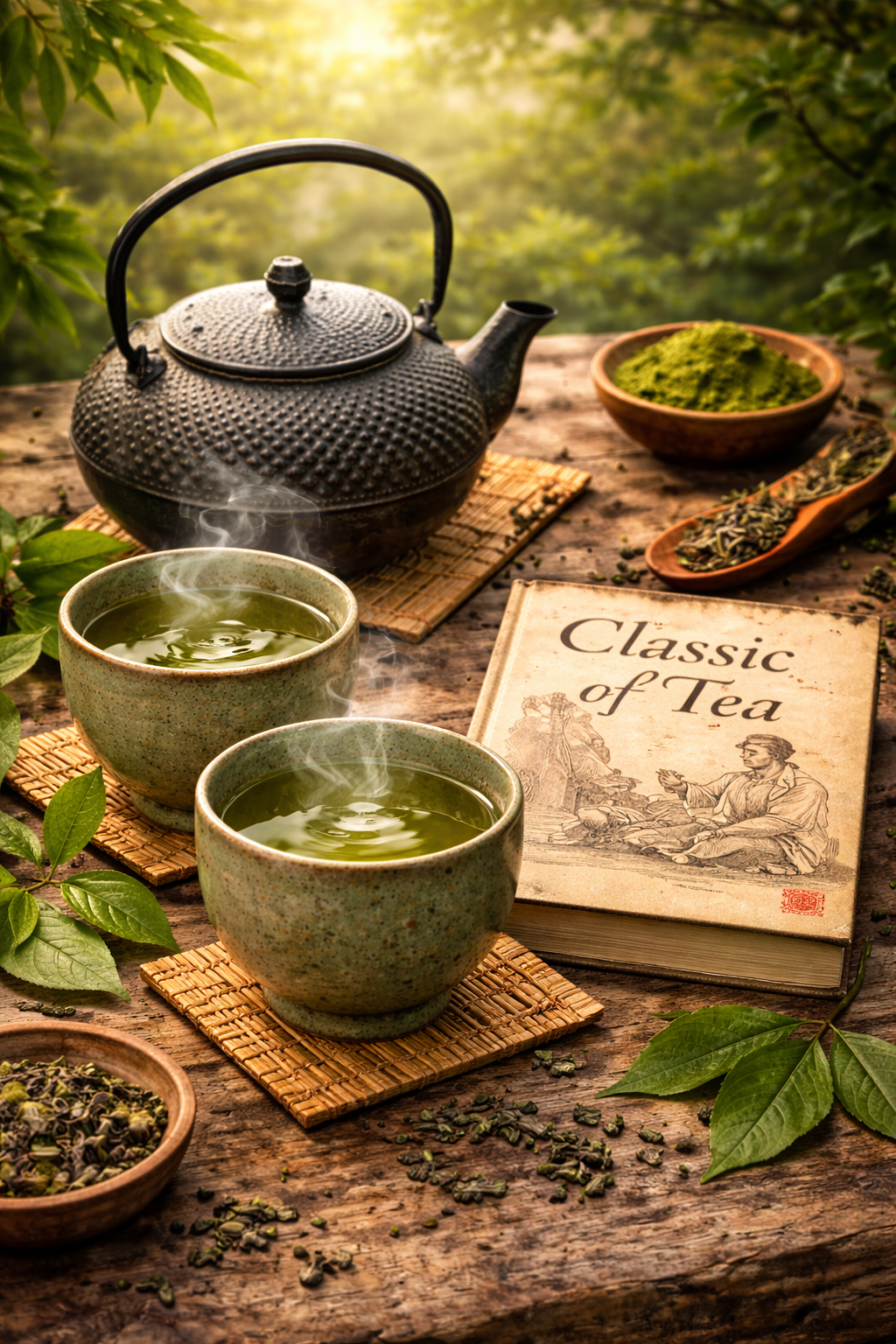
Long before tea became part of modern morning routines, it grew in the forests of Southwest China. Over time, green tea evolved alongside human culture, tea preparation methods, and the artful practice of brewing.
◇ Flavor & Terroir
What is green tea made of?
Green tea is made from the leaves of the Camellia sinensis plant. Like coffee or wine, green tea flavor changes based on soil, climate, growing region, processing method, and brewing technique.
Grassy & Fresh
Japanese-style green teas can bring vibrant, oceanic, grassy notes. Try Organic Green Tea.
Nutty & Toasted
Pan-fired and rolled teas can offer a nutty, toasted, chestnut-like finish. Try Gunpowder Green Tea.
Floral & Herbal
Blends can layer green tea with herbs, flowers, and botanicals. Try Enlightened Trio Blend.
Wellness Ritual
Green Tea Wellness: Tea for Detox-Inspired Rituals
Tea ceremonies created across Asia have been reimagined for the modern home as a way to slow down, breathe, and create a small moment of calm in a busy day.
Brewing tea can become a five-minute window of presence.
Clear glassware lets you watch the leaves unfurl as part of the experience.
A warm cup can help mark a softer transition between tasks.
Clean Caffeine
Green Tea and Clean Caffeine
Many people are moving away from high-sugar energy drinks and high-acid coffee toward green tea because it offers a gentler caffeine experience. Green tea naturally contains caffeine plus L-theanine, a combination often loved for calm alertness.
Blends like Ginger Turmeric Tea are popular for customers who want a warmer botanical cup with a softer energy ritual.
Sustainable Sipping
Sustainable Organic Green Tea
- Loose-leaf tea can reduce reliance on individual tea bags and excess packaging.
- High-quality sourcing supports better tea, better flavor, and a more intentional cup.
- At Serene Tree Apothecary, tea is selected with care for the land, the growers, and the people who enjoy each cup.
Organic Loose Leaf Tea
What makes organic green tea different?
Organic green tea is loved for its clean growing practices, naturally occurring antioxidants, smooth flavor, and everyday wellness appeal.
Organic farming avoids synthetic pesticides, herbicides, and fertilizers.
A careful growing process can support a more natural-tasting cup.
Green tea naturally contains catechins, polyphenols, flavonoids, and L-theanine.
A simple cup can fit into morning, afternoon, or mindful evening routines.
Balanced Energy
Caffeine & Loose Leaf Green Tea
Green tea caffeine levels vary by variety, leaf amount, water temperature, and steeping time. Use the guide below as a general starting point.
1. Gunpowder Green Tea
Approx. 35–45mg caffeine per cup.
Best for replacing morning coffee or pre-workout sipping.
2. Organic Green Tea
Approx. 25–30mg caffeine per cup.
Best for afternoon productivity and balanced daily sipping.
3. Green Tea Blends
Approx. 15–20mg caffeine per cup.
Best for caffeine-sensitive tea drinkers or gentler botanical routines.
Green Tea vs. Coffee: Quick Comparison
| Beverage | Approx. Caffeine | Primary Experience |
|---|---|---|
| Coffee | 95–150mg | Immediate surge, possible crash |
| Gunpowder Green Tea | 35–45mg | Sustained focus, bold flavor |
| Organic Green Tea | 25–30mg | Calm alertness, daily balance |

Brewing 101
How to Make Green Tea
Green tea leaves are delicate. If your cup tastes bitter or overly grassy, the issue is often technique: water that is too hot, steeping too long, or using the wrong leaf-to-water ratio.
Use water around 180°F to 185°F, not a hard boil.
Steep carefully for about 3 minutes to avoid bitterness.
Use 1 teaspoon of loose-leaf tea per 8 oz of water.
High-quality green tea can often be steeped more than once.
Green Tea Temperature: The 180° Rule
The most common green tea mistake is using boiling water. For a smoother cup, heat water to 180°F to 185°F. If you do not have a temperature-controlled kettle, bring water to a boil and let it sit uncovered for 2–3 minutes before pouring.
Green Tea Steep Time: 3 Minutes
Green tea follows a shorter timeline than many herbal teas. A careful 3-minute steep helps preserve a smoother flavor. Steeping longer can increase strength, but it may also bring out more bitterness.
Green Tea Ratio: 1 Teaspoon Per Cup
Use 1 teaspoon of loose-leaf tea per 8 ounces of water. Make sure your infuser or teapot gives the leaves enough room to expand so the water can extract aroma, flavor, and plant compounds evenly.
Iced Green Tea and Cold-Brewing
For a smoother iced tea, steep green tea leaves in cold filtered water for 6–8 hours. Cold-brewing can unlock a sweeter, softer taste with less bitterness.
Gentle Caffeine Note
Potential side effects and who should use caution.
Organic green tea is enjoyed by many people, but it does naturally contain caffeine and may not be right for every body or every routine.
Possible Sensitivities
Some people may notice stomach discomfort, trouble sleeping, or caffeine sensitivity.
Timing Matters
Drink earlier in the day if caffeine affects your sleep.
Iron Absorption
Those with anemia may prefer drinking green tea between meals.
Ask a Professional
If pregnant, caffeine-sensitive, or taking medications, ask a qualified healthcare professional.
Organic Green Tea Recipes
Three refreshing ways to enjoy green tea.
Green tea does not have to end in the teacup. Use it as a base for iced drinks, smoothies, and sparkling tea mocktails.


Iced Tea Recipe
Ginger-Turmeric Protector Iced Tea
A bright iced tea made with ginger, turmeric, honey, mint, and lemon.
- 2 tablespoons Ginger Turmeric Tea
- 16 oz filtered water at 185°F
- 1 tablespoon raw honey
- Fresh mint leaves and lemon slices
- Ice
- Steep the tea in 185°F water for 4 minutes.
- Stir in honey while warm.
- Cool to room temperature, then pour over ice.
- Garnish with mint and lemon.

Smoothie Recipe
Enlightened Trio Green Smoothie
A creamy green smoothie with chilled Enlightened Trio Green Tea, avocado, spinach, banana, and a pinch of salt.
- 1 cup chilled Enlightened Trio Green Tea
- 1/2 ripe avocado
- 1 handful organic baby spinach
- 1 frozen banana
- Pinch of Himalayan pink salt
- Brew tea the night before and chill.
- Add all ingredients to a blender.
- Blend until smooth and creamy.
- Serve immediately.

Sparkling Mocktail
Smoked Gunpowder & Lime Firecracker
A smoky, refreshing tea mocktail made with Gunpowder Green Tea, lime, sparkling mineral water, and optional agave.
- 1 teaspoon Gunpowder Green Tea
- 4 oz hot water at 185°F
- 4 oz sparkling mineral water
- 1 tablespoon fresh lime juice
- Splash of agave or simple syrup, optional
- Ice
- Steep tea in hot water for 3 minutes to make a concentrate.
- Combine tea concentrate with lime and sweetener.
- Fill a glass with ice and top with sparkling water.
- Stir gently and serve.
Natural Harmony
Green Tea with Ginger
Green tea offers a delicate, grassy base, while ginger brings spicy warmth. Together, they create a cup that feels bright, comforting, and beautifully balanced.
Many people enjoy green tea with ginger after meals for a warm, settling cup.
Green tea and ginger are often included in weight-management routines alongside food, movement, and hydration.
Add lemon and honey for a bright, cozy, cold-weather ritual.
Green tea’s L-theanine plus ginger’s spicy aroma make a lively but grounded cup.
Simple Prep
How to Brew Green Tea with Ginger
- Prep: Slice 1 inch of fresh ginger root thinly, or grate it for more spice.
- Simmer: Simmer the ginger in water for 5 minutes. Do not add green tea yet.
- Cool: Remove from heat and let the water cool to about 175–185°F.
- Add Green Tea: Add loose-leaf green tea and steep for about 2–3 minutes.
- Optional: Add honey or lemon to balance the spice.
7-Day Challenge
A week of green tea and ginger rituals.
Take a week-long journey to reset your palate and explore the warm, bright harmony of green tea and ginger.

Replace your morning coffee with Enlightened Trio Blend and fresh ginger.
Enjoy Organic Green Tea with grated ginger after lunch.
Brew green tea with ginger, fresh lemon, and a tiny pinch of cayenne.
Cold-brew green tea and ginger overnight, then serve over ice with mint.
Try Gunpowder Green Tea with dried ginger before movement.
Enjoy gunpowder green tea with muddled ginger and honey in the afternoon.
Brew your favorite green tea with smashed ginger and take 10 quiet minutes to sip.
Helpful Answers
Frequently Asked Questions About Green Tea
Is organic green tea healthier than regular green tea?
Organic green tea is grown without synthetic pesticides or fertilizers, which many customers prefer for cleaner sourcing and a more intentional wellness routine.
How many cups of green tea should I drink per day?
Many tea drinkers enjoy 2–4 cups per day, depending on caffeine sensitivity, time of day, and personal preference.
Does organic green tea contain caffeine?
Yes. Green tea naturally contains caffeine, but usually much less than coffee. Caffeine content varies by tea type, amount used, water temperature, and steep time.
Can you drink green tea on an empty stomach?
Some people can, but others may notice stomach discomfort. If you are sensitive, enjoy green tea with or after food.
What temperature should green tea steep at?
A good range is 180°F to 185°F. Avoid boiling water, which can make green tea taste bitter.
Start Your Green Tea Ritual
Find the green tea that fits your day.
Whether you want bold Gunpowder Green Tea, classic Organic Green Tea, botanical green tea blends, or green tea recipes with ginger and citrus, Serene Tree Apothecary has a cup for every ritual.
```