


Osmanthus Oolong Tea | Digestion & Wellness Aid
Description
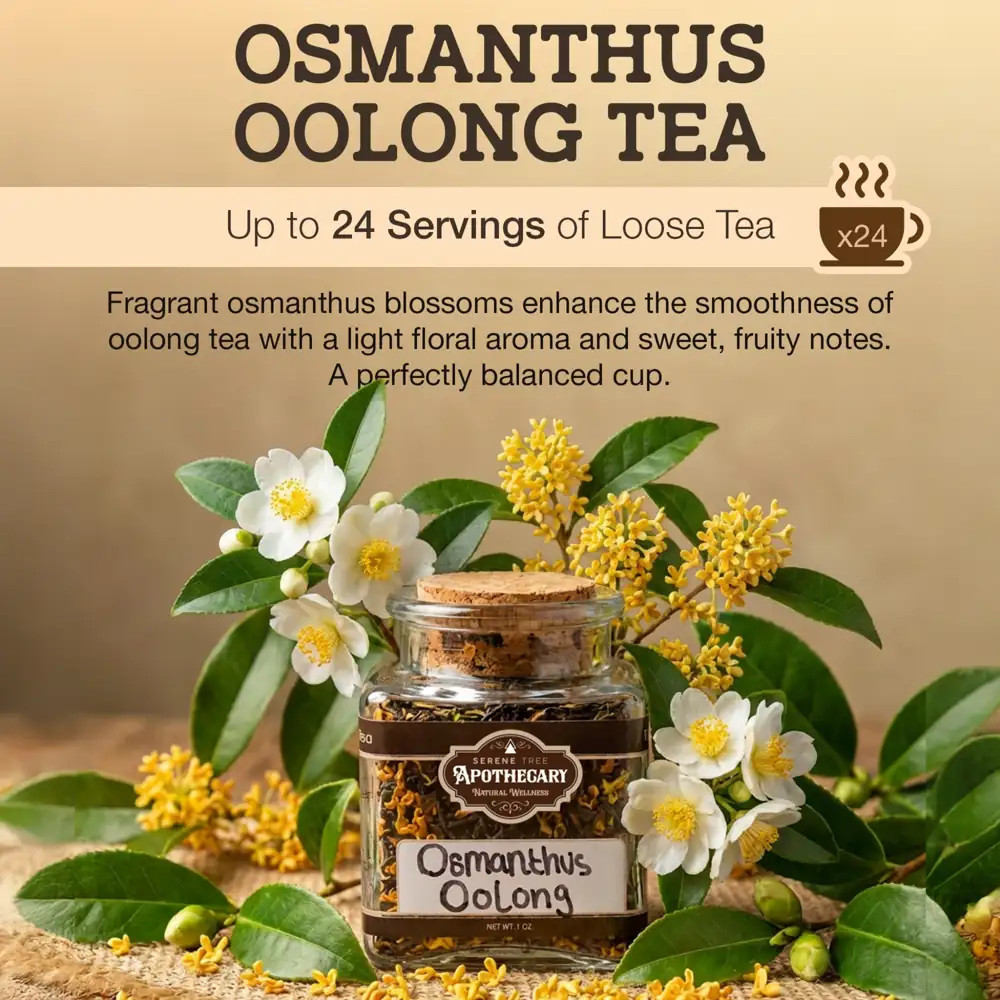
Osmanthus Oolong Tea pairs partly oxidized oolong with dried osmanthus blossoms, one of the most loved tea flowers in China. The result is a smooth, lightly toasted oolong with a soft floral aroma and natural notes of apricot and honey. It contains caffeine from the oolong leaves and re-steeps beautifully.
- Size: 1 oz of loose leaf tea.
- Ingredients: Organic oolong tea leaves (Camellia sinensis) and organic osmanthus blossoms.
- Caffeine: Contains caffeine, less than black tea.
- Brew: 1–2 teaspoons per 8 oz of water at 185–200°F. Steep 2–4 minutes, then strain. Re-steep the same leaves 2–4 times.
What Is Osmanthus Oolong Tea?
Osmanthus (Osmanthus fragrans, known in Chinese as guihua) is a flowering shrub whose tiny golden-orange blossoms open in autumn and carry a remarkable scent: ripe apricot, peach and honey. In China the flowers have been used for centuries to flavor tea, wine, sweets and pastries.
Osmanthus oolong combines those blossoms with oolong, a tea that is only partly oxidized and so sits between green tea and black tea. The oolong gives the cup its body and gentle caffeine; the osmanthus adds fragrance and a natural fruity sweetness, with no added flavorings.
Meet Our Osmanthus Oolong
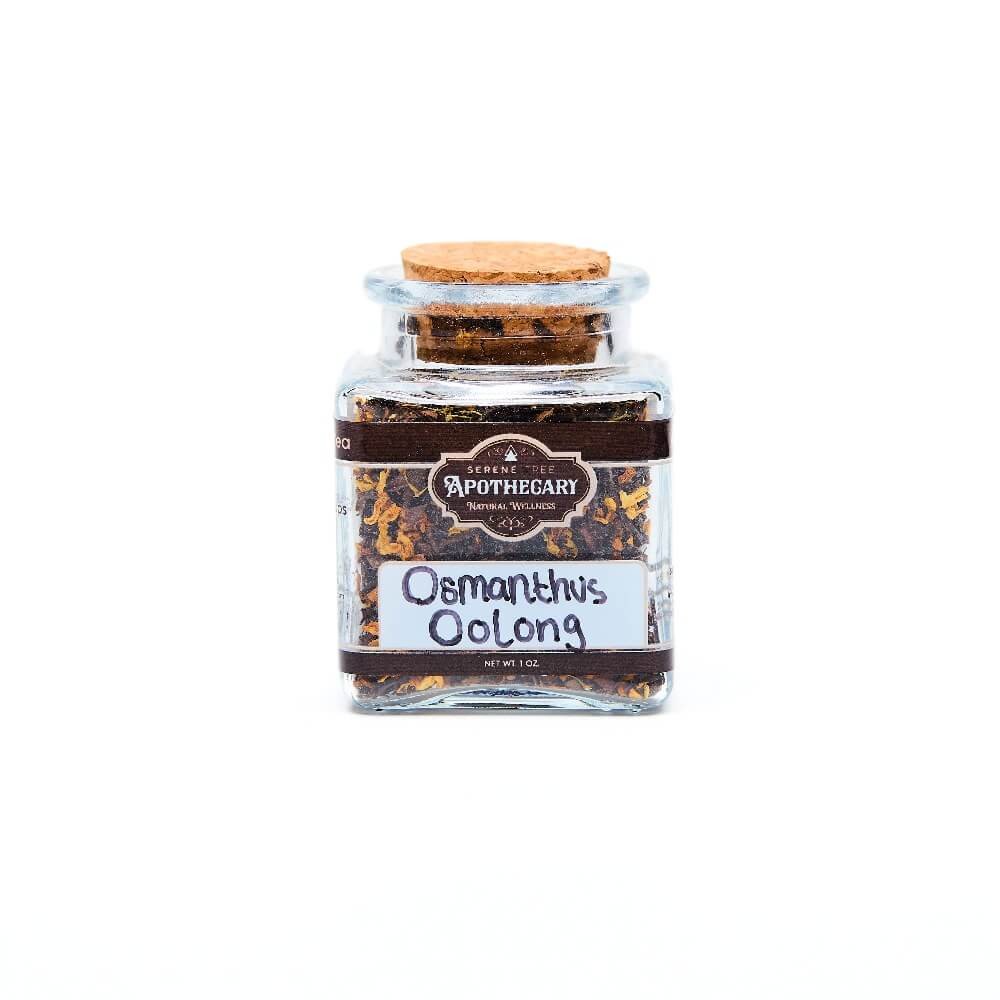
Open the bag and you will see dark, twisted oolong leaves flecked with small golden osmanthus flowers. The aroma is sweet and floral, closer to dried apricot than to perfume. Brewed, it pours a warm golden amber. The first sip is smooth and rounded, with a lightly toasted oolong base under soft floral and honey notes, and a clean, lingering sweetness. Packed to order in a 1 oz size.
How To Brew Osmanthus Oolong
In a mug: use 1 to 2 teaspoons per 8 oz of water just off the boil, at 185–200°F. Steep 2 to 4 minutes, then strain. Keep the leaves for a second and third cup, adding about a minute each time.
Gongfu style: in a small teapot or gaiwan, use about 5 grams of leaf for every 100 ml of water at 195–205°F. Pour a quick rinse over the leaves and discard it, then brew short infusions of 20 to 30 seconds, lengthening each one slightly.
Iced: osmanthus is lovely cold. Cold brew 2 tablespoons in 32 oz of cold water in the fridge for 6 to 8 hours, then strain. The apricot and honey notes come forward and the cup stays smooth, with no bitterness.
Does Osmanthus Oolong Tea Have Caffeine?
Yes. The caffeine comes from the oolong leaves; the osmanthus flowers themselves are naturally caffeine-free. A typical 8 oz cup of oolong has roughly 30–50 mg of caffeine, less than black tea and much less than coffee. Shorter steeps give a gentler cup, and later re-steeps of the same leaves contain less. If you want the osmanthus flavor with no caffeine at all, choose a pure flower tea or one of our caffeine-free herbal teas.
Osmanthus Oolong vs. Our Other Oolongs
- Osmanthus Oolong – oolong with osmanthus blossoms: apricot, honey and a lightly toasted base.
- Organic Tie Guan Yin Oolong Tea – the classic floral oolong, orchid-like and creamy, with no added flowers.
- Milk Oolong Tea – softer and richer, with a smooth, milky-sweet character.
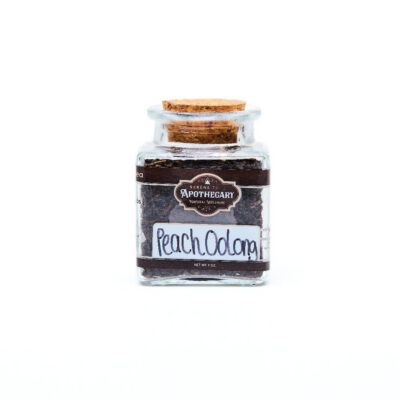
- Peach Oolong Tea – fruity and bright, excellent iced.
- Oolong Tea – our everyday oolong for a simple, balanced cup.
Browse them all in our loose leaf oolong tea collection.
Who Osmanthus Oolong Is Best For
- Anyone who likes naturally sweet, fruity teas without added flavoring.
- Fans of floral teas such as jasmine green tea who want a warmer, rounder cup.
- People looking for a gentle afternoon tea with less caffeine than black tea.
- Iced tea drinkers who want something special to cold brew.
- Tea lovers who enjoy re-steeping the same leaves through the day.
Osmanthus Oolong Tea FAQ
Related Products
-
View Options This product has multiple variants. The options may be chosen on the product page
Reviews
This product hasn't received any reviews yet.
Reviews
There are no reviews yet.