

Posted by Marco Graham on May 1st 2026
Calming Sleep Tea: Relax and Sleep Better Naturally
☾ Rooted in Rest
Calming Sleep Tea: Relax and Sleep Better Naturally
In a world that rarely slows down, sleep has become one of the most sought-after luxuries. Calming sleep tea offers a gentle nighttime ritual made with soothing herbs like chamomile, lavender, mint, rose, and valerian root to help your body and mind ease into rest.

✿ Why Sleep Tea?
A simple botanical ritual for calmer nights.
Unlike a rushed bedtime routine, herbal tea invites you to slow down. The warmth, aroma, herbs, and steady ritual all work together to help signal that it is time to unwind.
Warmth
A warm cup can help your body ease out of daytime tension and into a softer evening rhythm.
Aroma
Botanicals like lavender, chamomile, mint, and rose bring a comforting sensory moment before bed.
Herbs
Gentle herbal blends are a favorite choice for those who want a caffeine-free bedtime drink.
Ritual
A consistent tea ritual can help your mind associate the evening cup with rest and quiet.
☘ Hand Selected Botanical Blend
The Calm Behind the Cup
Calming sleep tea is not about forcing sleep. It is about creating the right conditions for rest: a quiet pause, a warm cup, relaxing herbs, and a steady routine that helps your body transition from busy to peaceful.
A cozy cup helps turn bedtime into a slower, more mindful moment.
Floral and minty botanicals can make your evening feel softer and more grounded.
Repeated nightly habits help signal that the day is coming to a close.
A caffeine-free herbal blend is an easy addition to a natural wind-down routine.
◇ Choose Your Ritual
Explore calming tea by intention.
Chamomile
Soft, floral, and naturally cozy for classic bedtime tea comfort.
Lavender
A peaceful floral note for quiet evenings and a spa-like wind-down.
Mint
Cooling, refreshing, and ideal for clearing the mind after a busy day.
Herbal Blends
Layered botanicals working together for a fuller nighttime tea ritual.
Botanical Basics
Herbal Tea Is the Perfect Sleep Ritual
Bedtime tea is more than a drink. It is a moment of pause. A warm mug, calming aroma, and slow sipping routine can help you step away from screens, late-night stress, and mental overstimulation.
When you drink herbal tea for sleep regularly, your body can begin to associate that cup with rest, making it easier to settle into a peaceful nighttime rhythm.
Classic Bedtime Herb
Chamomile Tea Benefits for Sleep
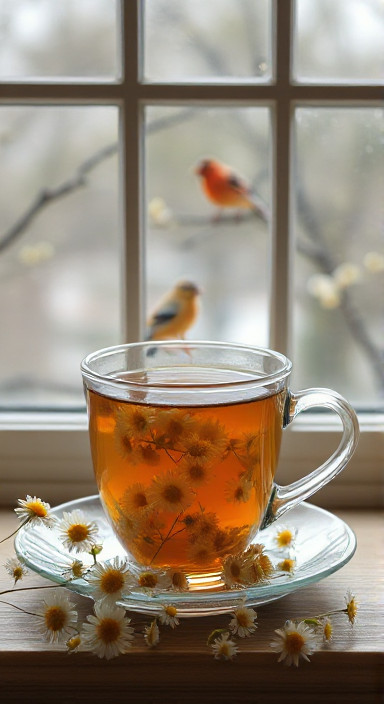
Chamomile is one of the most well-known herbs for evening tea and is often used as a foundation in calming blends. Its naturally sweet, apple-like flavor makes it a soothing base for any bedtime cup.
- Creates a soft, floral cup for winding down.
- Pairs beautifully with mint, lavender, rose, honey, and lemon.
- Works well as a simple caffeine-free tea before bed.
Floral Calm
Lavender Tea for Deep Relaxation
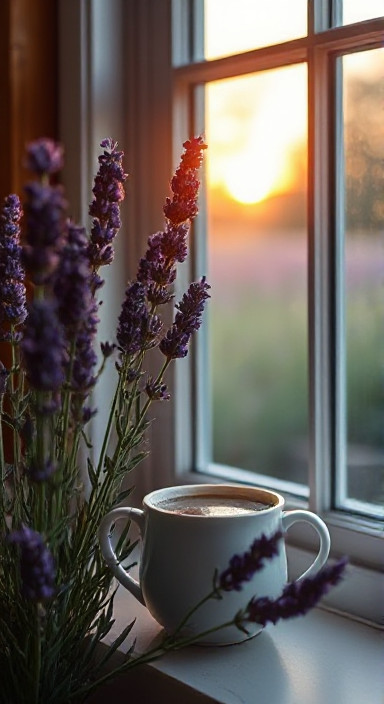
Lavender is widely loved for its calming aroma. In tea, it brings a soft floral quality that feels peaceful, comforting, and perfect for a slow evening ritual.
- Brings a gentle floral flavor to bedtime tea blends.
- Creates a soothing sensory experience through aroma and taste.
- Pairs well with lemon, chamomile, rose, and mint.
Cooling Balance
Mint: Clearing the Mind Before Sleep
Mint plays a unique role in relaxing tea blends. While refreshing, it can help the evening cup feel clean, balanced, and easy to sip after a full day.
- Offers a cooling, refreshing finish.
- Pairs beautifully with chamomile for a calm, balanced cup.
- Makes bedtime tea feel light and easy to drink.
Blended Botanicals
Why Herbal Blends Work Better
The most comforting calming sleep teas combine multiple herbs, each bringing something unique to the cup. Chamomile relaxes the mood of the blend, lavender brings floral calm, mint refreshes, and other botanicals like rose, hibiscus, ginger, and valerian root add depth.
Soft, floral, cozy, and classic.
Peaceful, aromatic, and soothing.
Cooling, fresh, and balancing.
Grounding, fragrant, and comforting.
Botanical Favorites
Meet the herbs behind the ritual.

Small Rituals
How to use tea for better sleep.
A calming cup works best when it becomes part of a full wind-down routine. Keep it simple, repeatable, and comforting.
Drink 30–60 Minutes Before Bed
Give yourself time to sip slowly, unwind, and let the evening feel less rushed.
Create a Nightly Ritual
Use the same mug, soft lighting, and quiet space to create a reliable bedtime cue.
Unplug While You Sip
Step away from screens and notifications so your tea can become a real moment of calm.
Sip Slowly
Notice the warmth, aroma, and flavor as you transition from busy to still.
Natural Nighttime Choices
Herbal tea vs. sleep supplements.
Many people choose bedtime tea because it feels gentle, comforting, and easy to include in a nightly routine.
Herbal Sleep Tea
- Warm, soothing, and ritual-based.
- Easy to enjoy as a caffeine-free evening beverage.
- Encourages a screen-free wind-down routine.
- Pairs with reading, journaling, prayer, meditation, or quiet breathing.
Typical Sleep Supplements
- Often taken quickly without a full wind-down ritual.
- May not offer the same warm sensory experience.
- Can feel more like a quick fix than a calming habit.
- Should be reviewed carefully based on personal needs and ingredients.
Other Herbs That Support Sleep Rituals
Calming tea blends often include more than one botanical. These herbs help create a full-bodied cup with flavor, aroma, and a relaxing nighttime feel.
- Valerian Root: earthy, grounding, and traditionally used in nighttime blends.
- Rose: floral, soft, and emotionally comforting.
- Hibiscus: tart, bright, and refreshing.
- Ginger: warming, cozy, and supportive after evening meals.
The Power of a Simple Ritual
Tea is more than a drink. It is a moment of pause. In a fast-paced world, taking time to brew and sip calming sleep tea allows your body to slow down and reset.
A simple evening ritual can help you create separation between the energy of the day and the quiet you want before bed.
Why Quality Matters
Not all herbal teas are created equally. A thoughtful bedtime blend should taste fresh, steep beautifully, and use recognizable botanicals without unnecessary extras.
- Look for quality herbs and botanicals.
- Choose blends without unnecessary additives or fillers.
- Pay attention to aroma, freshness, and ingredient balance.
- Choose caffeine-free blends for nighttime sipping.
Gentle Safety Note
Herbal teas are intended to support everyday wellness rituals and are not a substitute for medical care. Always review ingredients carefully, especially if you have allergies, take medication, are pregnant or nursing, have a medical condition, or are preparing tea for children.
Helpful Answers
Frequently Asked Questions About Calming Sleep Tea
What is the best tea for sleep?
Many people enjoy chamomile, lavender, mint, valerian root, rose, and blended bedtime teas for a calming evening routine. The best tea is the one you enjoy enough to make part of your nightly ritual.
When should I drink sleep tea?
For a relaxing routine, try drinking sleep tea about 30–60 minutes before bed. This gives you time to sip slowly, unwind, and transition away from screens or busy evening tasks.
Is calming sleep tea caffeine-free?
Most bedtime herbal teas are naturally caffeine-free, but it is always a good idea to check the ingredient list. Avoid black tea, green tea, white tea, and mate close to bedtime if you are sensitive to caffeine.
Can I drink bedtime tea every night?
Many customers enjoy herbal tea as a nightly ritual. If you are pregnant, nursing, taking medication, managing a medical condition, or preparing tea for children, ask a qualified healthcare professional before use.
Final Thoughts
Sleep starts before your head hits the pillow.
Good sleep begins with the habits you build beforehand. A warm cup of calming sleep tea can help create a peaceful pause, soften the pace of the evening, and bring you closer to the deep, natural rest your body is craving.
Prefer to blend your own evening cup? Browse our single dried herbs, including passion flower, lemon balm and lavender buds.